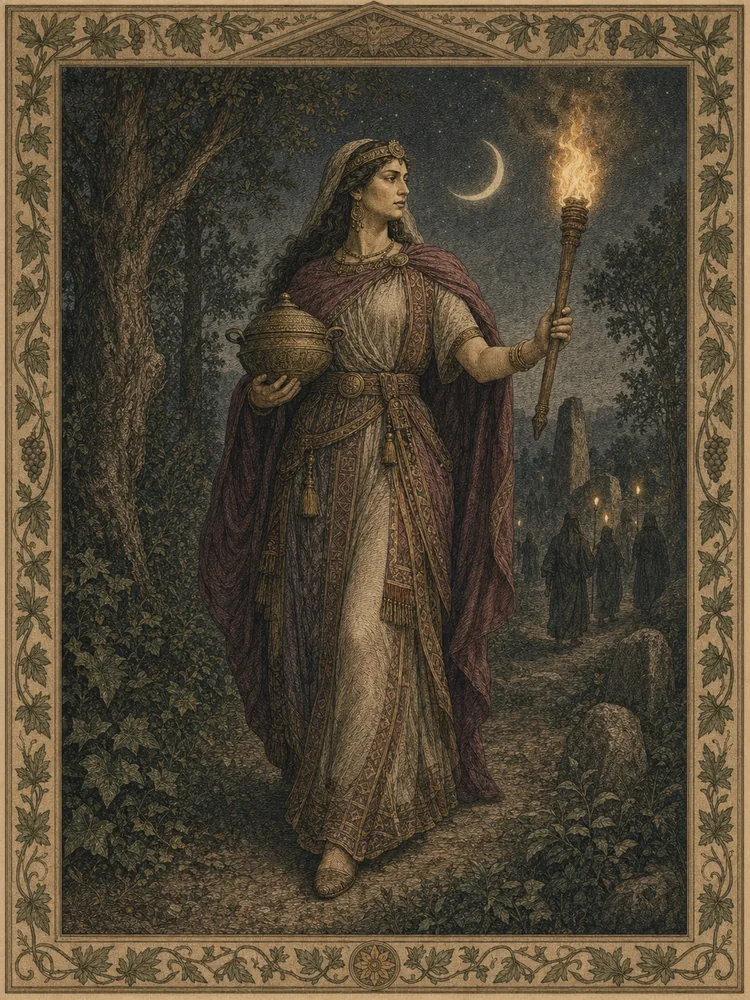
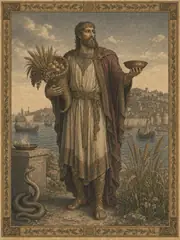
Kotys (sometimes Kotyto) was a Thracian goddess of ecstatic and orgiastic worship, whose rites were notorious in the Greek world for their wild and disorderly character. The cult was particularly associated with night, with wine, with the breaking of social inhibition, and with the kind of religious experience that the Greek Dionysian tradition also represented but that Kotys's cult was held to take to extremes. Aeschylus, in his lost play The Edonians (preserved in fragments), described the Kotyttia rites as featuring 'mountain-melodies,' wild flutes, drums, ecstatic dancing, and shouts of women in possession.
Her cult spread from Thrace into the Greek world, particularly into Corinth and other commercial centers where Thracian metics formed substantial communities. By the late fifth century before our era it had been introduced at Athens, where it had a partial respectability among certain wealthy circles but was generally regarded with suspicion as a foreign and disorderly intrusion. The poet Eupolis (in his comedy Baptai, of which only fragments survive) attacked the Athenian initiates of Kotyto, depicting them as men who dressed in women's clothing, danced wildly through the night, and broke every Athenian convention; the satire was sufficiently sharp that some sources reported Eupolis was killed in revenge by the Athenian general Alcibiades, who was among those mocked.
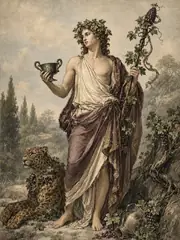
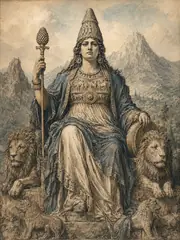
The connections between the cult of Kotys and the cult of Dionysus, and between both and the older Phrygian Cybele-cult, were noted in antiquity and remain a subject of modern study. The three cults shared certain features — ecstatic worship, mystery initiation, the promise of personal religious experience beyond the orderly civic religion — but each had its distinctive character. Kotys was particularly the goddess of sexual-religious abandonment and of the kind of rite that promised a personal transformation through transgression; the rites were certainly orgiastic in the technical sense (involving sexual elements) and probably included initiation into mystery doctrines about death and the afterlife.
The cult was suppressed at Athens in the late fifth century after the Eupolis controversy and the wider conservative reaction against foreign cults that culminated in the trial of Socrates (against whom the charge of 'introducing strange divinities' was related to the wider concern about non-civic religion). In its native Thrace, however, Kotys continued to be worshipped through the imperial period; the rites declined under Christianization, but elements of the orgiastic tradition probably survived in the various ecstatic Christian movements of the late ancient and early medieval Balkans, just as the Dionysiac heritage survived in altered form.