A Compendium of the Ancient Gods
Nine rooms of gods, hung in the order their peoples first appear in the written record, from the temple cities of Sumer to the edges of the Roman world.
634 gods. 611 plates hung; 23 frames still wait for theirs.
Scroll to walk through the rooms.
Hung today, 28 September 2026
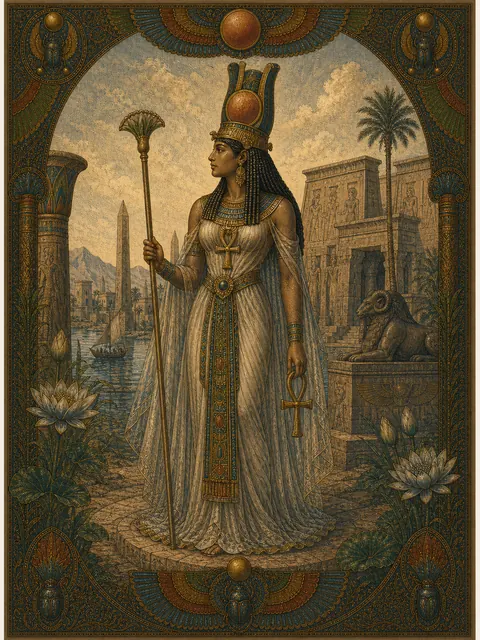
From The Gift of the Nile
Volume I
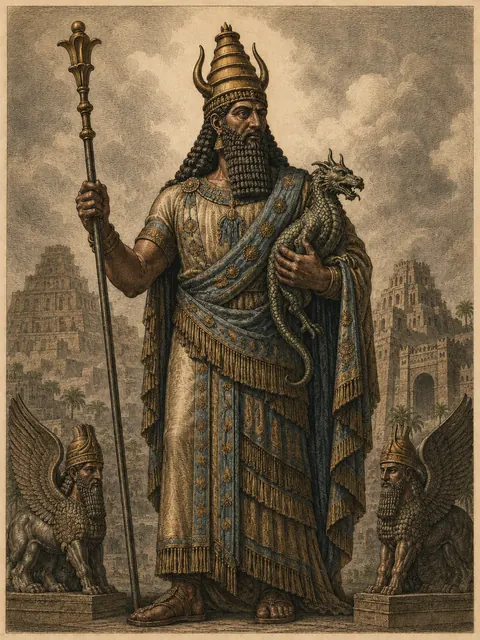
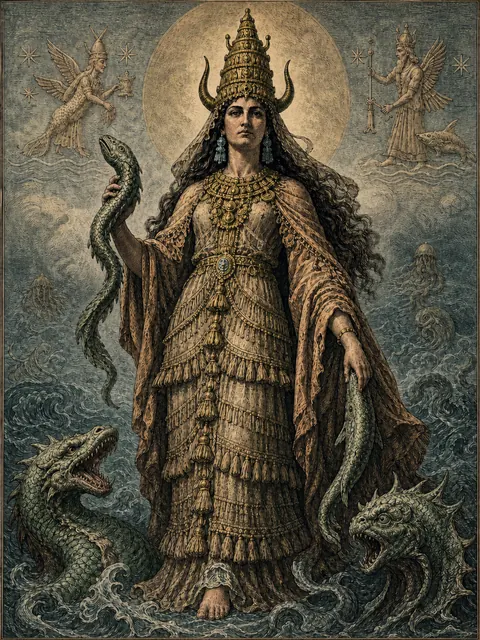
The Cradle of Cities
Mesopotamia, Anatolia and the Levant. c. 3400 BCE to 395 CE
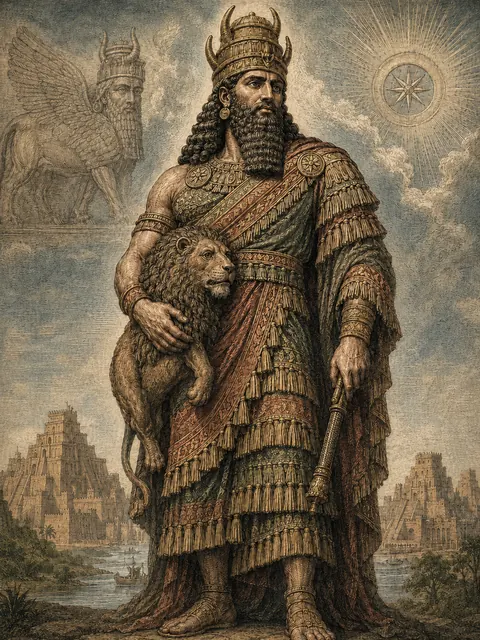
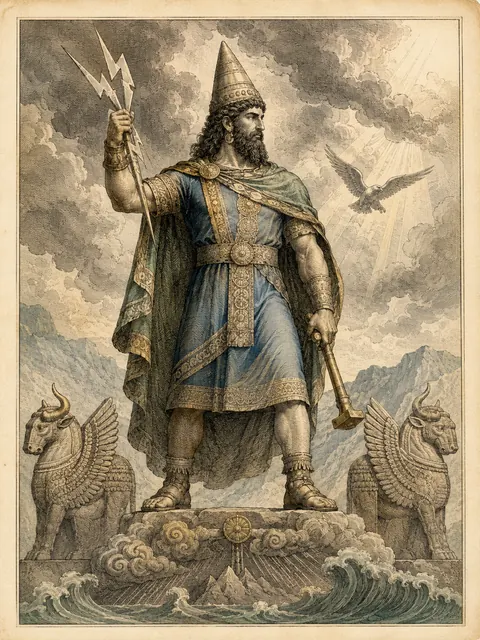
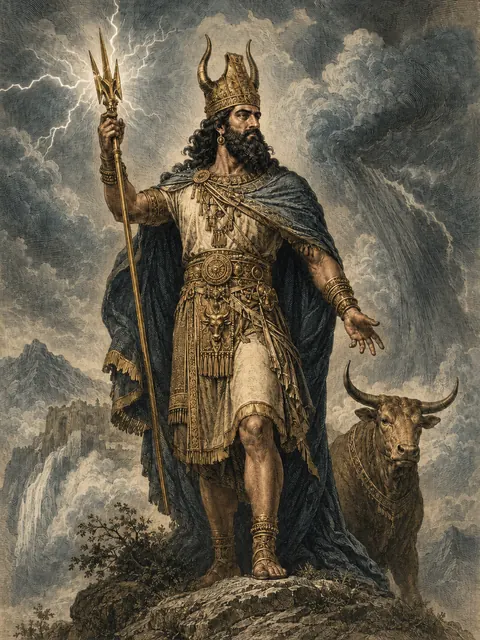
The first gods to be written down. Clay tablets from the temple cities of Sumer and Akkad, the archives of the Hittite kings and the tablets of Ugarit keep the oldest recorded pantheons.
115 gods in four bays. All hung.
Enter the room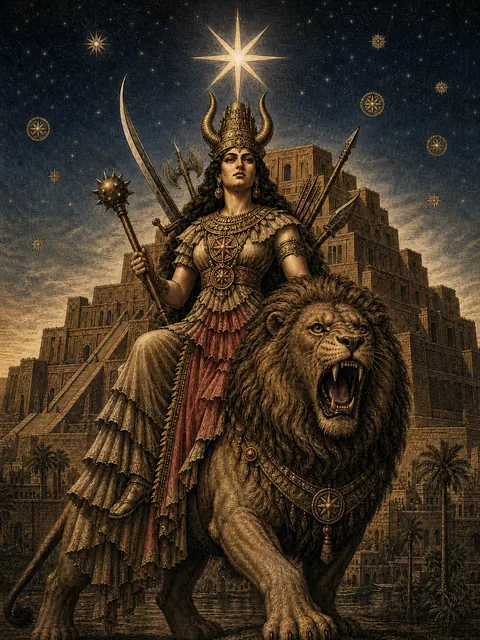
Volume II
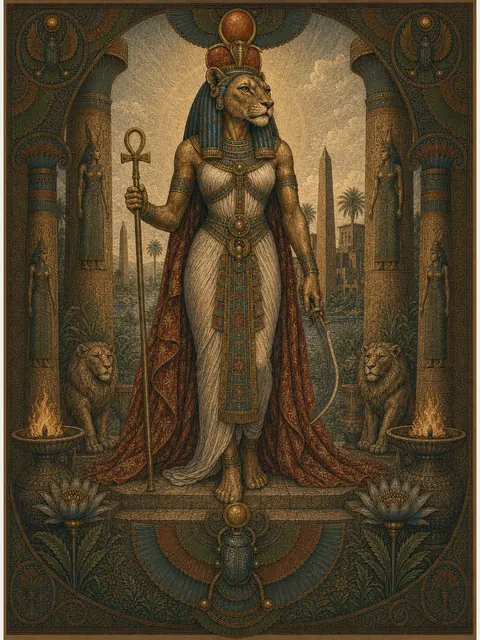
The Gift of the Nile
Egypt. c. 4000 BCE to 395 CE
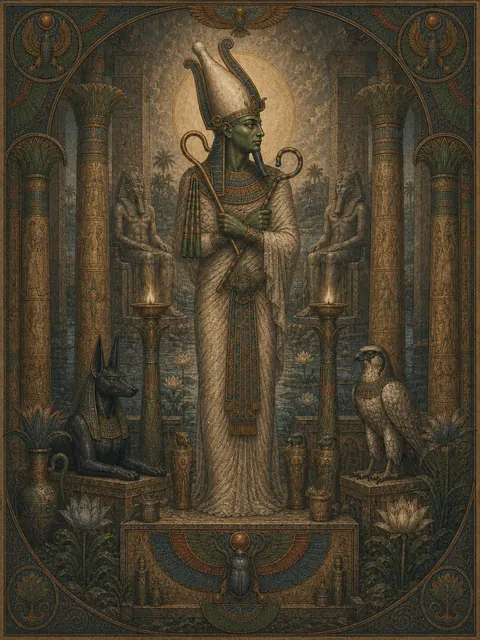
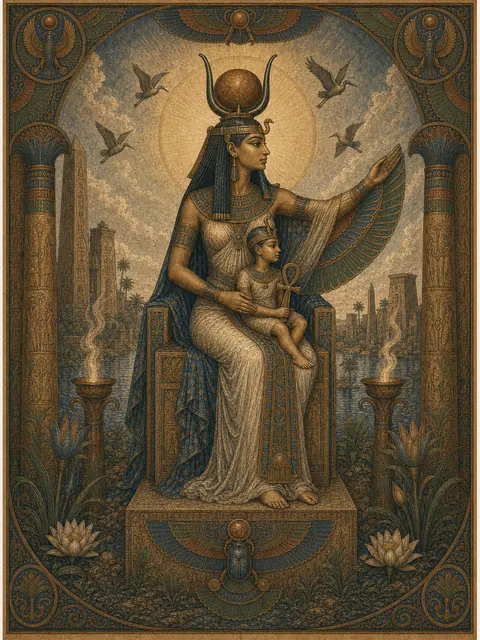
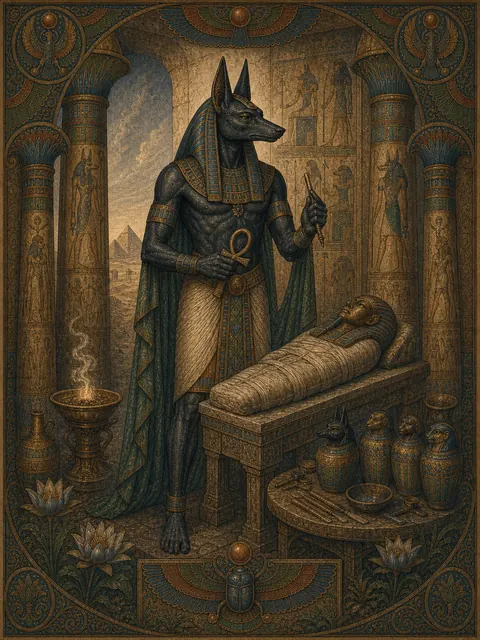
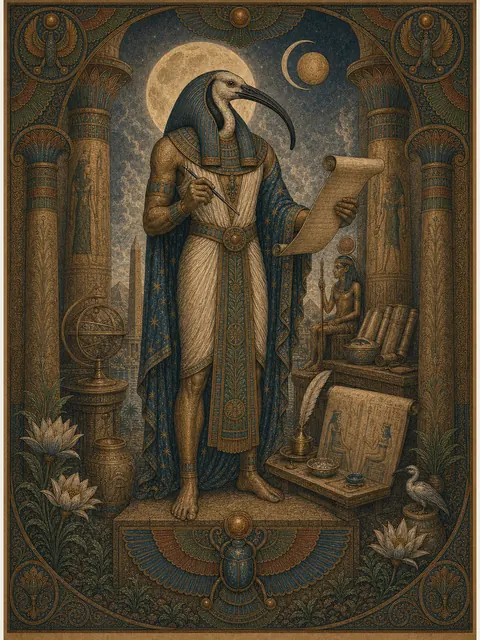
Three thousand years of Egyptian religion, from the Pyramid Texts to the temples of the Ptolemies: gods of creation, of the dead, of cities and of sacred animals.
73 gods in four bays. All hung.
Enter the room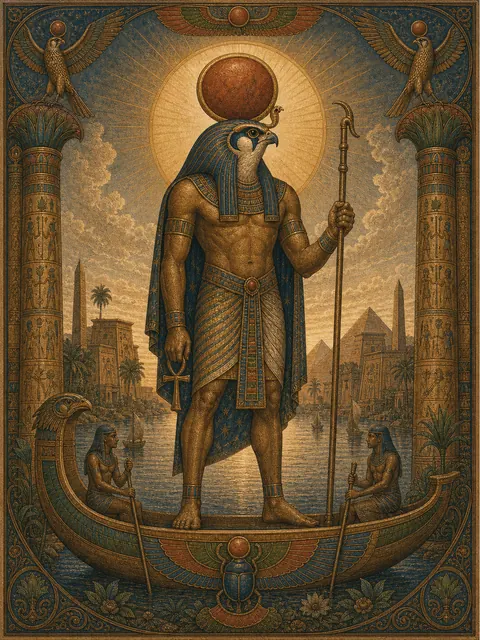
Volume III
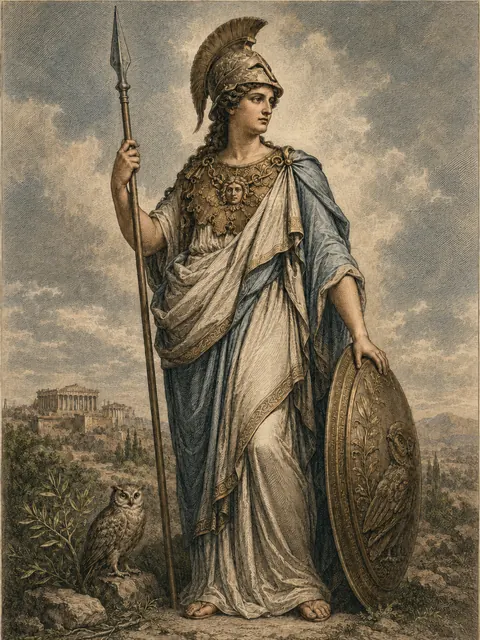
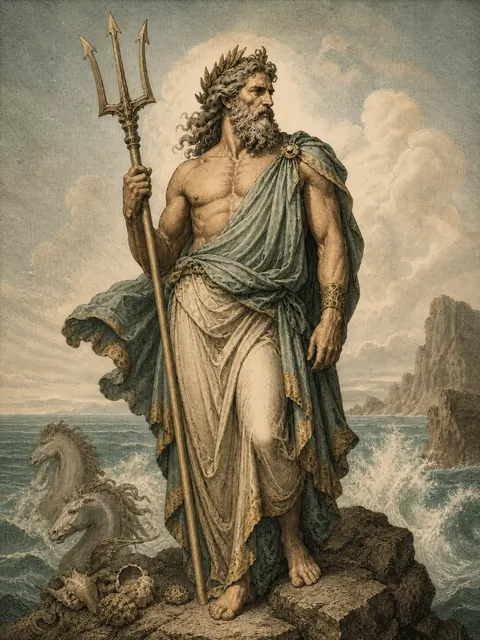
The Olympian Order
Greece. c. 1600 BCE to 750 CE
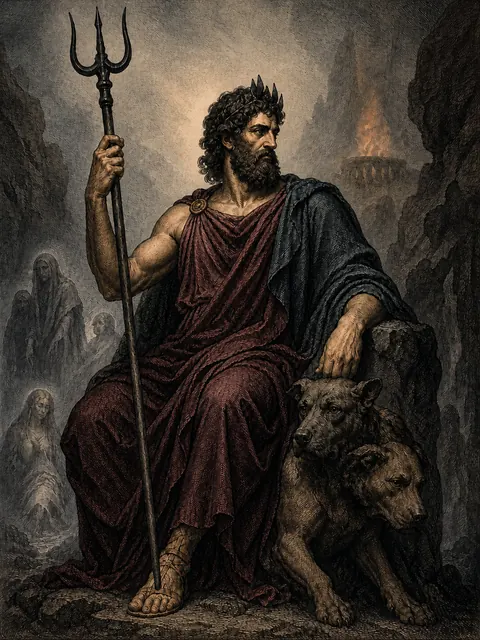
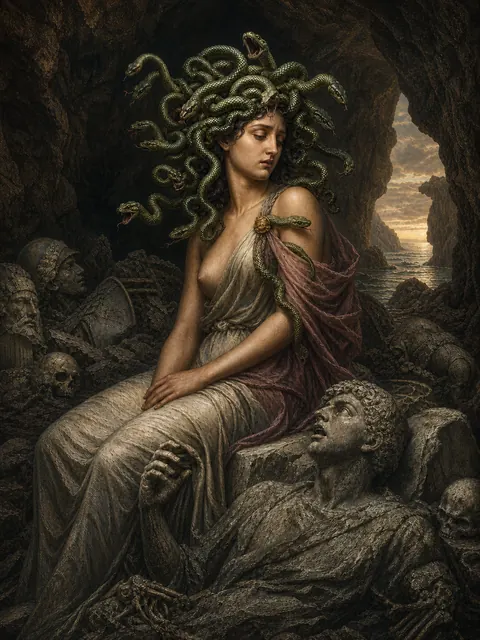
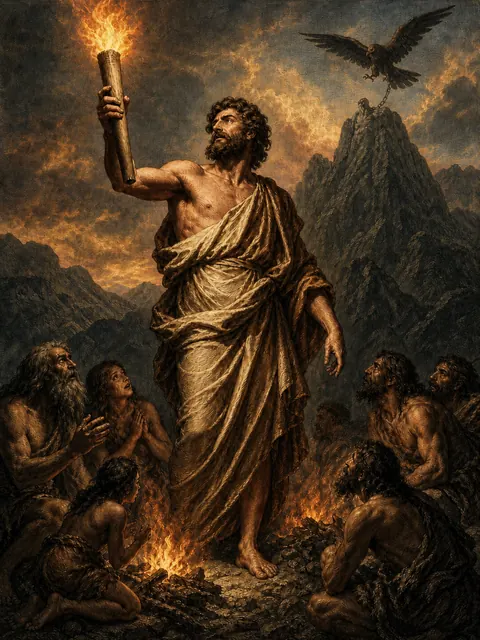
The gods of Homer and Hesiod, and the older powers, monsters and heroes around them, set beside what the Greeks themselves wrote.
152 gods in eight bays. All hung.
Enter the room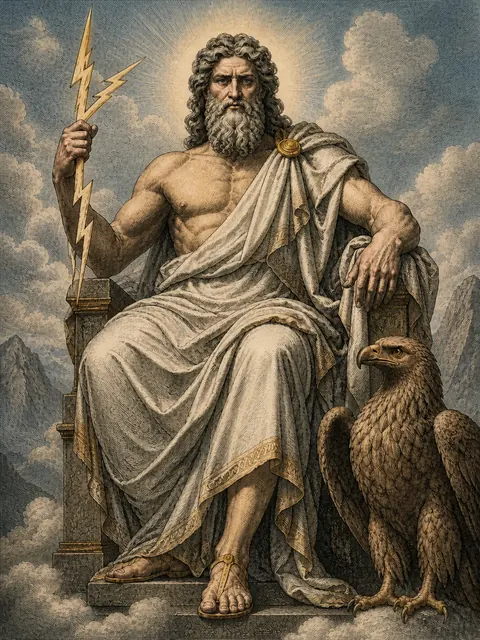
Volume VI
The Persian World
Iran. c. 2000 BCE to 1010 CE
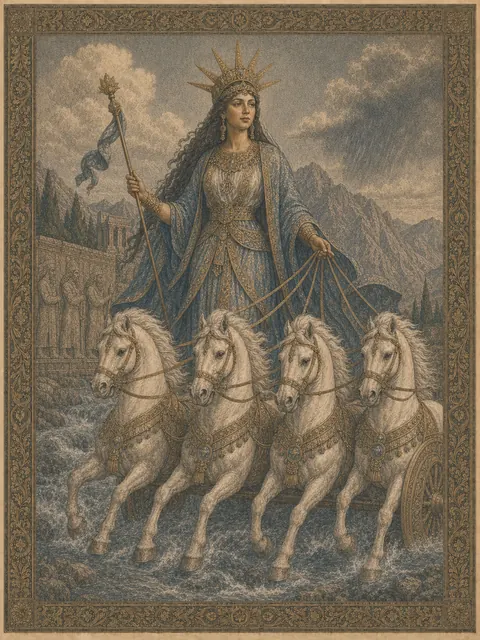
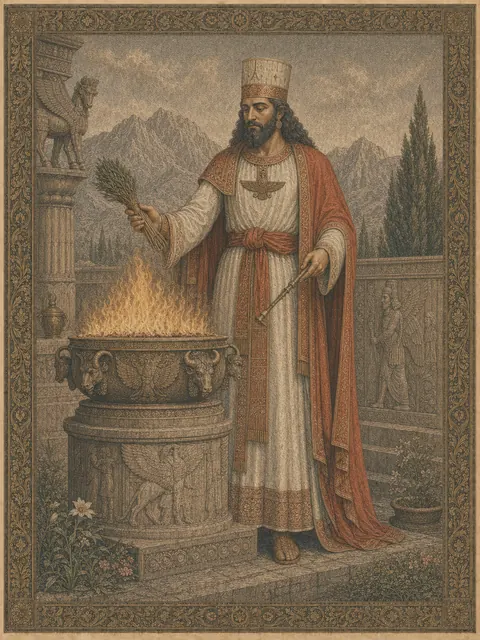
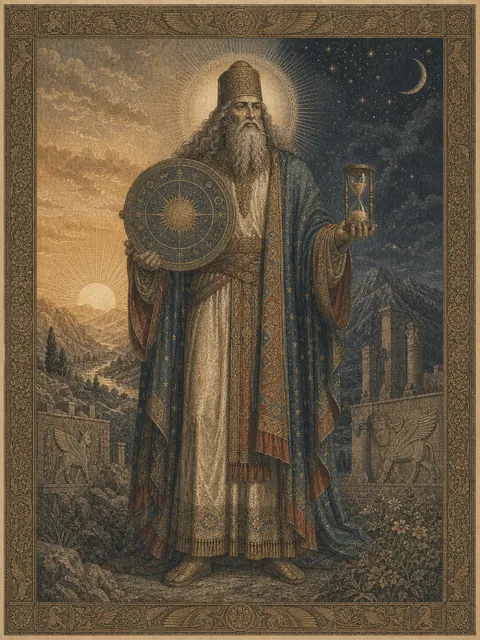
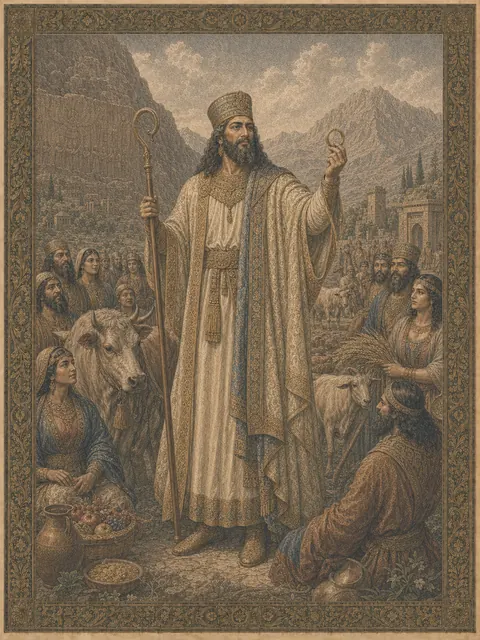
The Wise Lord and the Lie, the Bounteous Immortals and the beings worthy of worship, from the Gathas of Zarathushtra to the Shahnameh. Zoroastrianism is still practised today.
30 gods in four bays. All hung.
Enter the room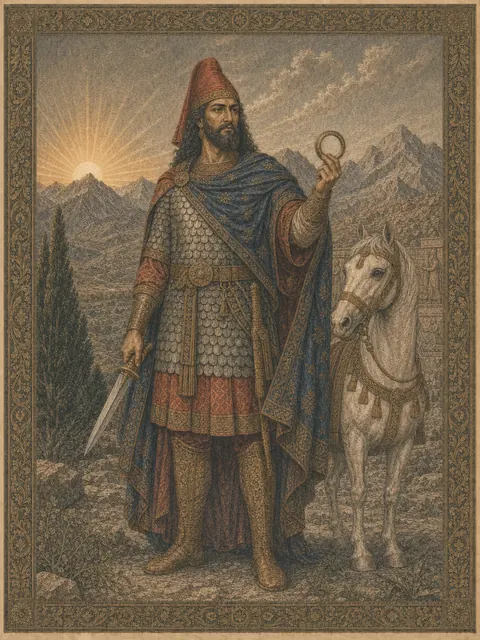
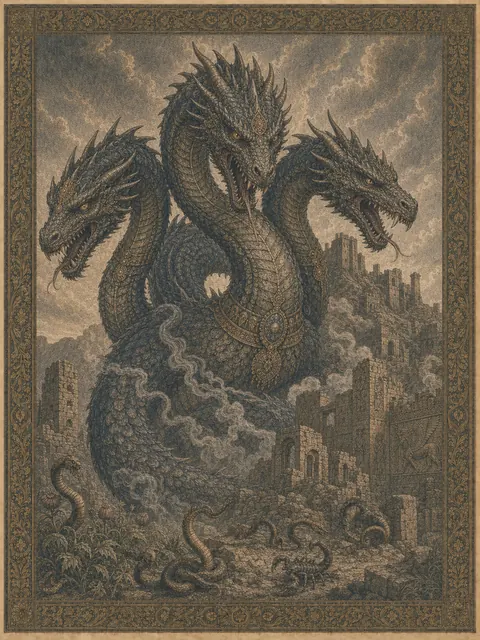
Volume VIII
The Levantine Borderlands
Syria, Petra and Palmyra. c. 1200 BCE to 500 CE
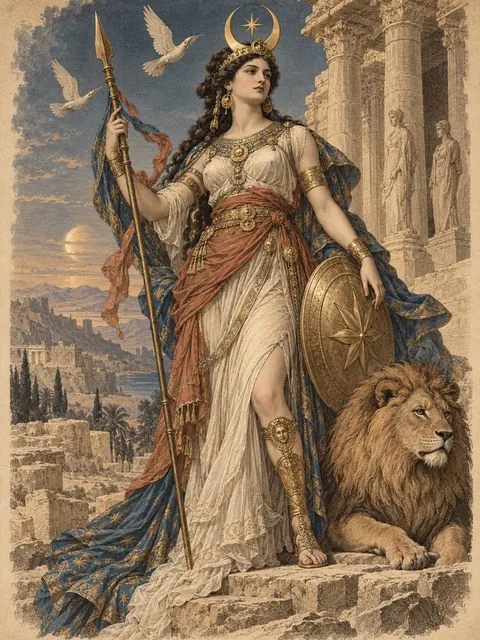
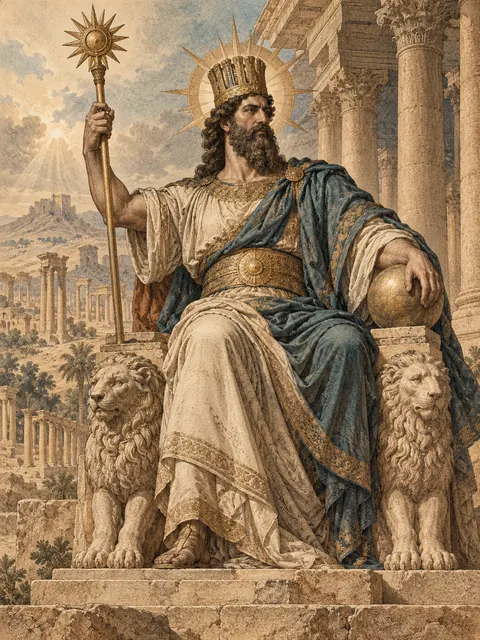
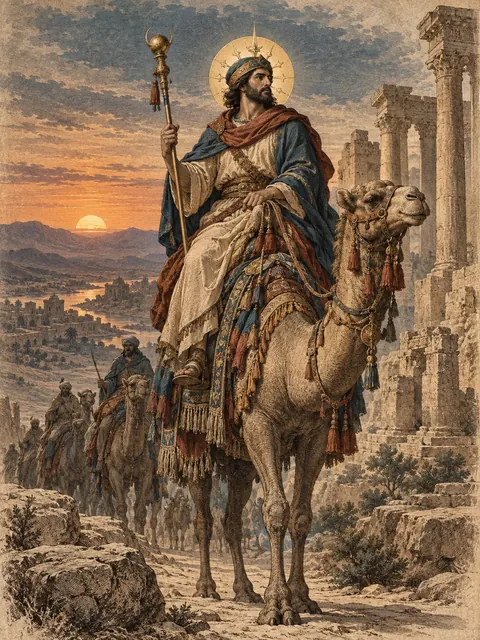
Caravan gods of Syria, Petra and Palmyra, known mostly from inscriptions, altars and temple ruins in the centuries around Rome’s arrival.
20 gods in three bays. 19 hung.
Enter the room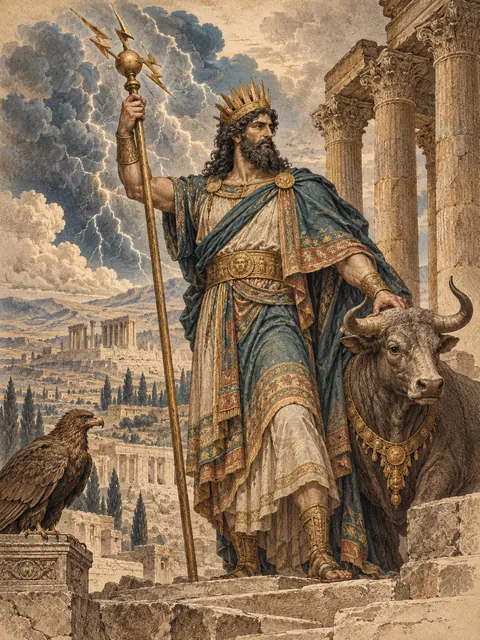
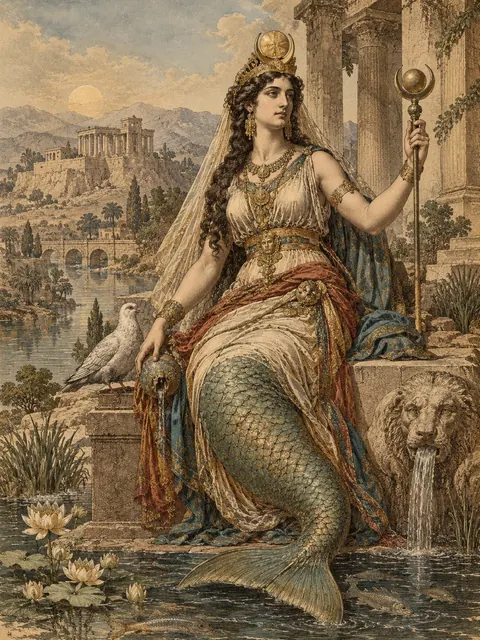
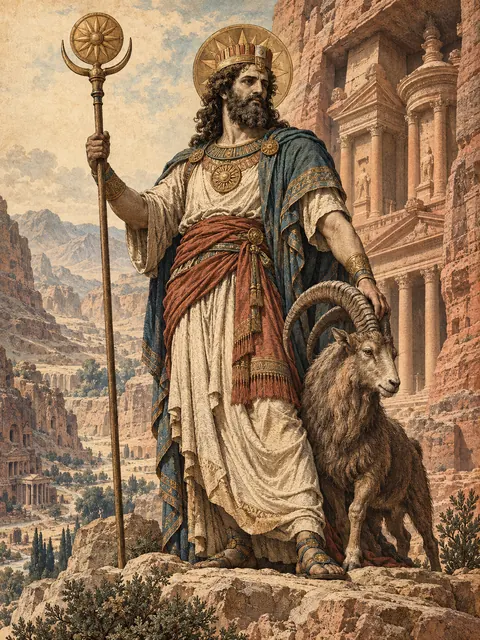
Volume IX
The Edges of Empire
Thrace to the Atlas, the Caucasus to Iberia. c. 2000 BCE to 1500 CE
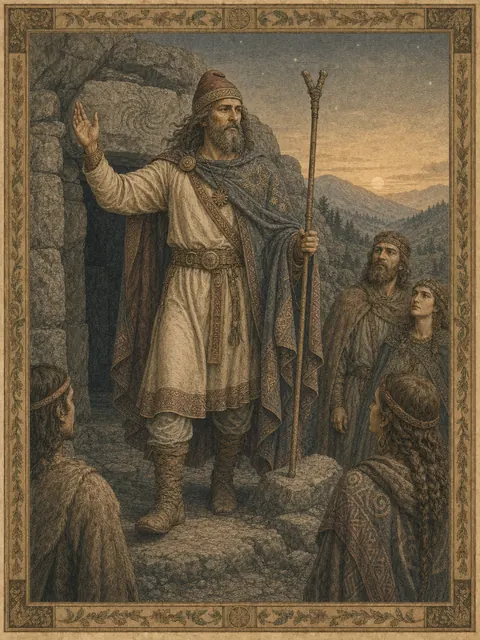
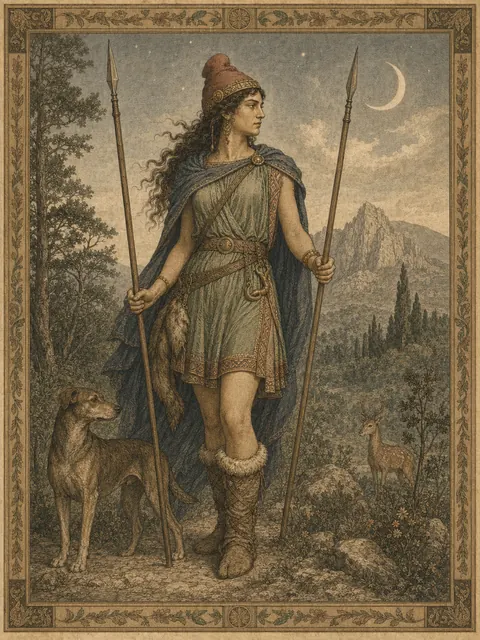
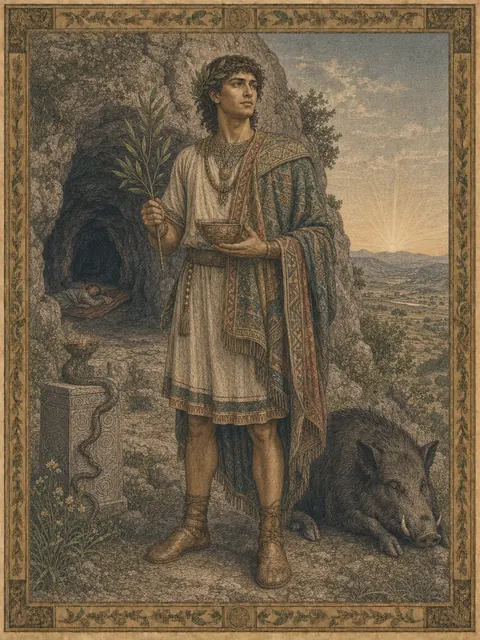
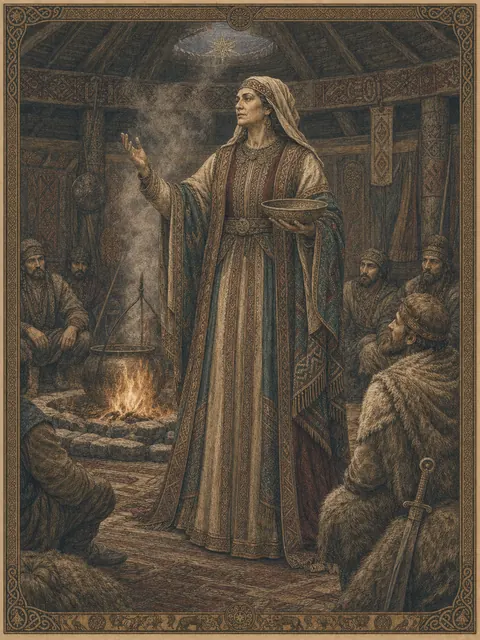
Gods of the peoples at Rome’s frontiers: Thracians, Illyrians, Lusitanians, Georgians, Ossetians and Amazigh. Many survive only as names on Latin dedications.
33 gods in six bays. All hung.
Enter the room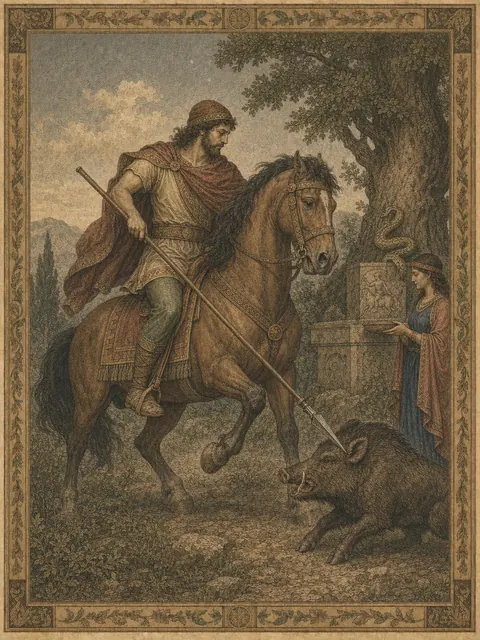
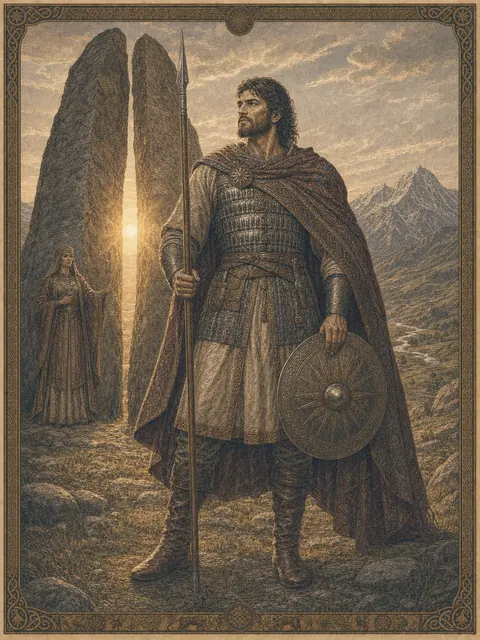
Volume VII
The Etruscan World
Etruria. c. 900 BCE to 750 CE
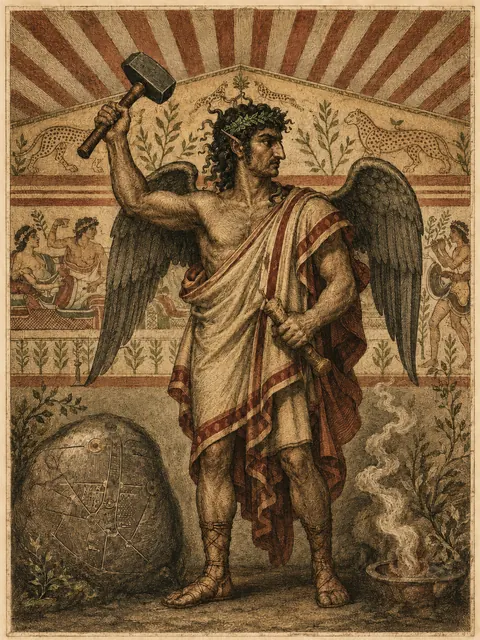
The people from whom Rome learned much of its ritual. Known from painted tombs, engraved mirrors and a bronze liver used for divination; their own sacred books are lost.
22 gods in four bays. All hung.
Enter the room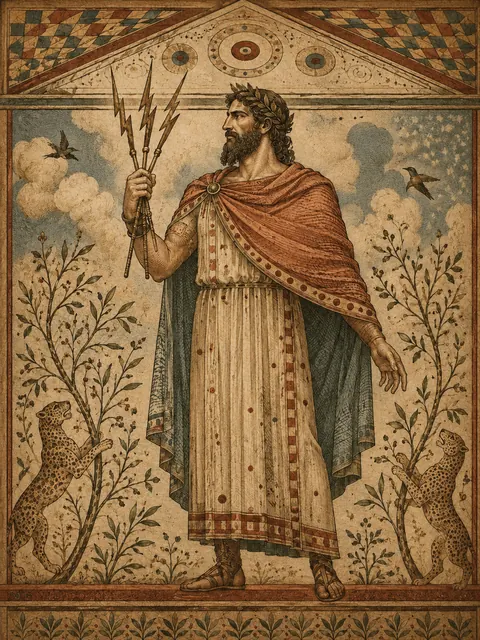
Volume IV
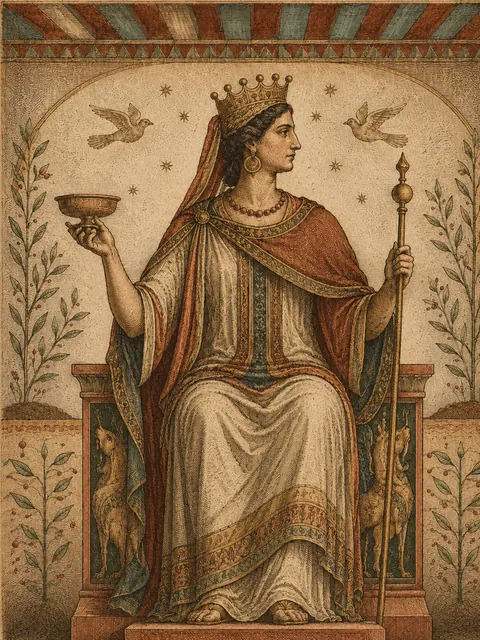
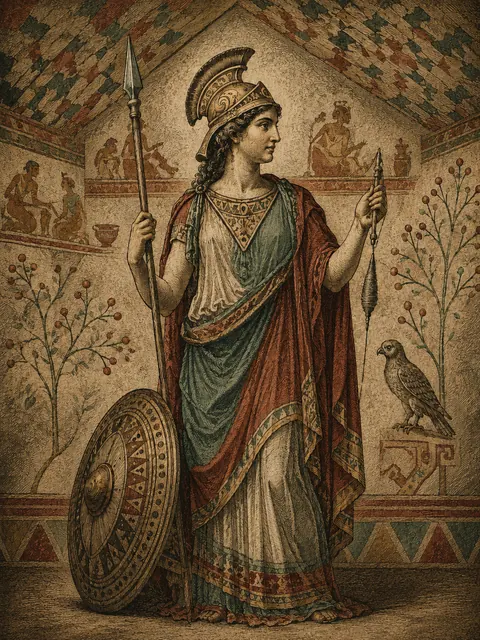
The Roman Inheritance
Rome and Italy. c. 1200 BCE to 500 CE
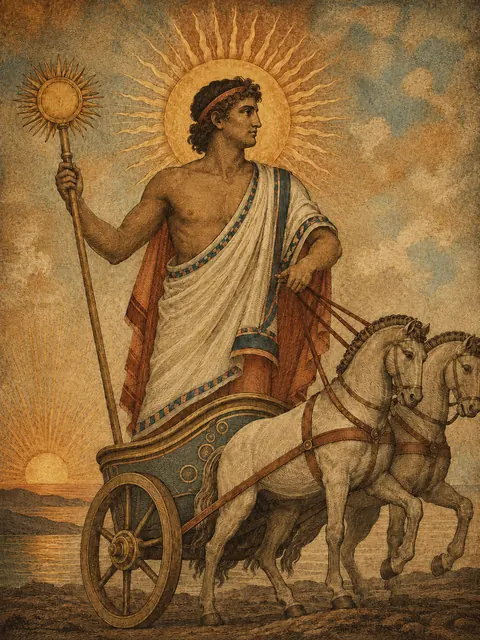
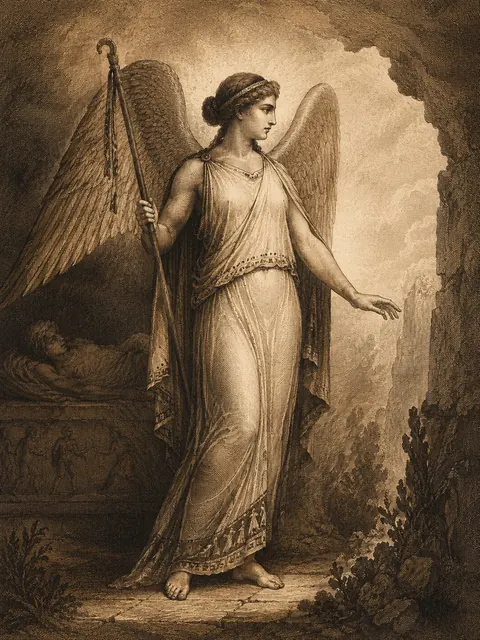
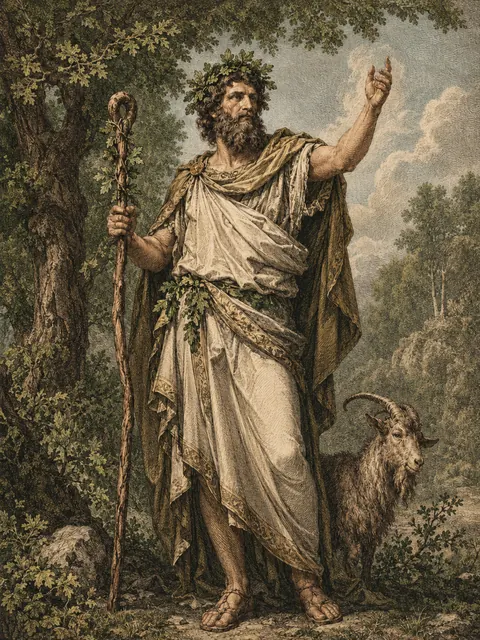
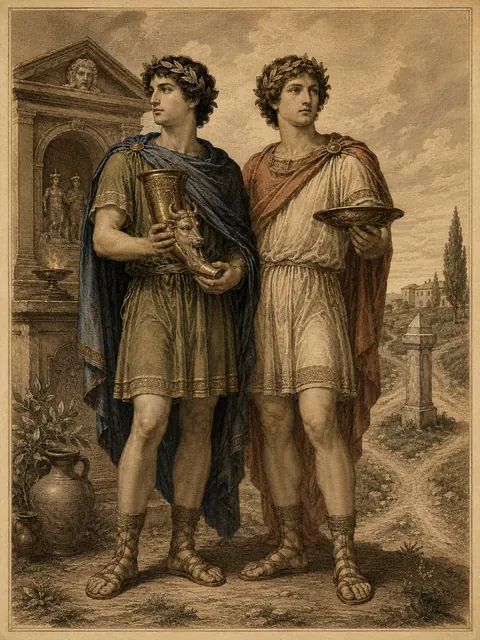
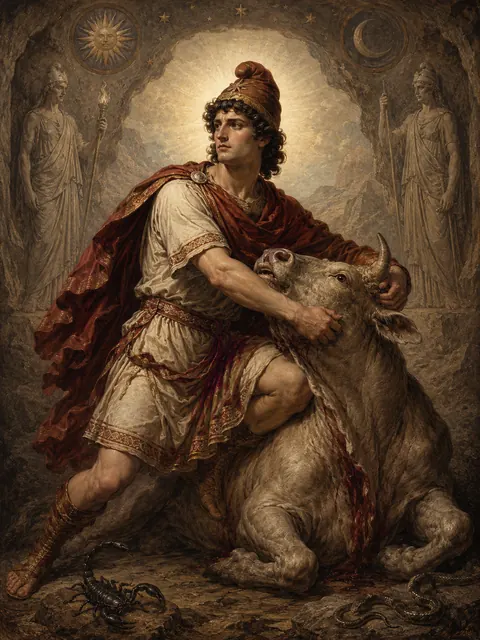
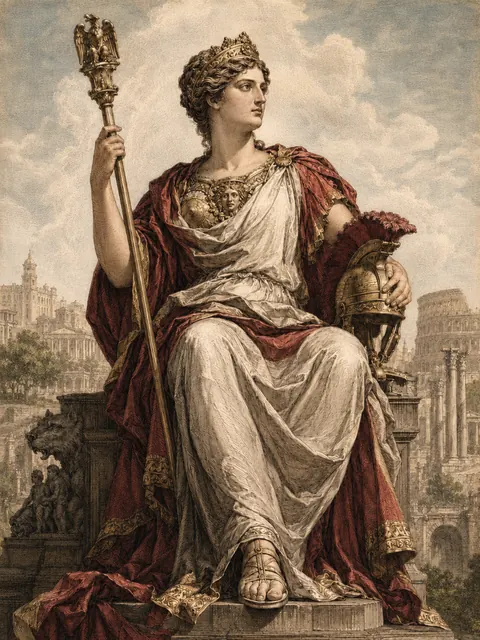
The gods Rome had before Greece arrived: household spirits, boundary stones, deified virtues, and the mystery cults of the empire.
58 gods in four bays. 54 hung.
Enter the room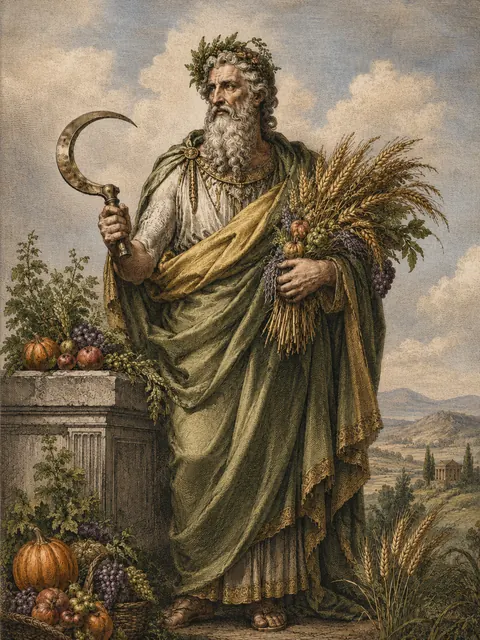
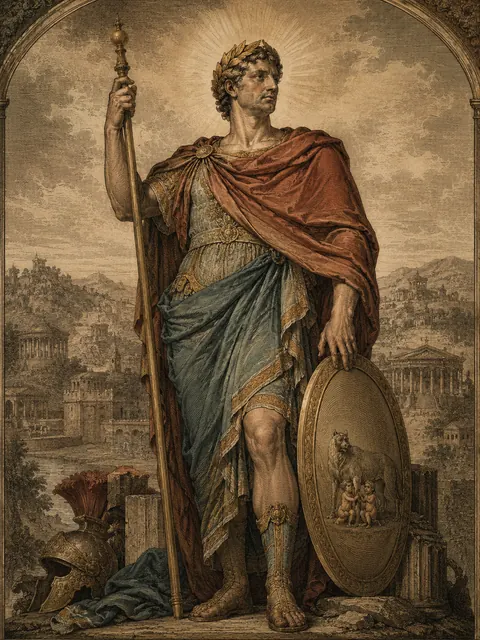
Volume V
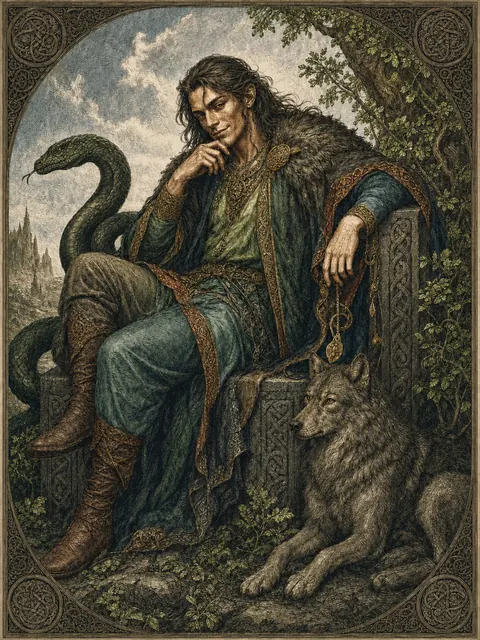
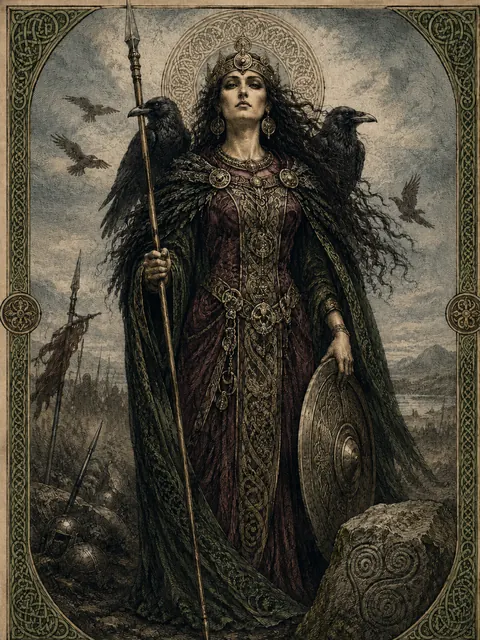
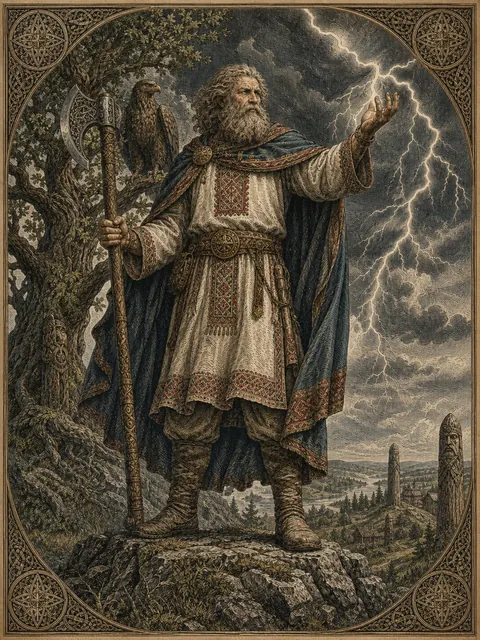
The Northern Inheritance
Northern and Eastern Europe. c. 2000 BCE to 1600 CE
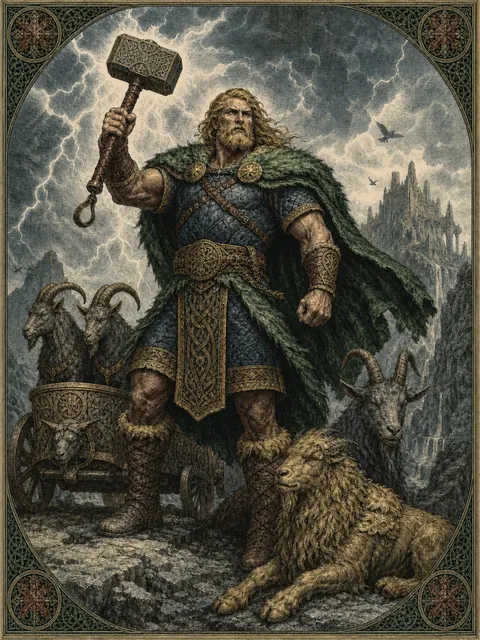
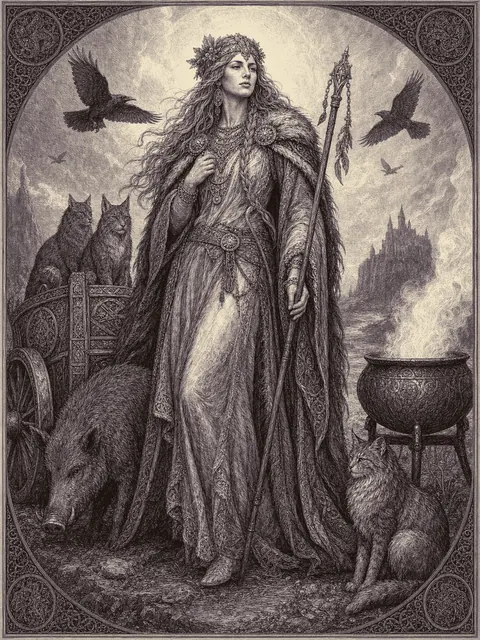
Norse, Germanic, Celtic, Slavic, Baltic, Finnic, Hungarian and Albanian traditions, most written down by Christian authors long after the gods were last worshipped.
131 gods in five bays. 113 hung.
Enter the room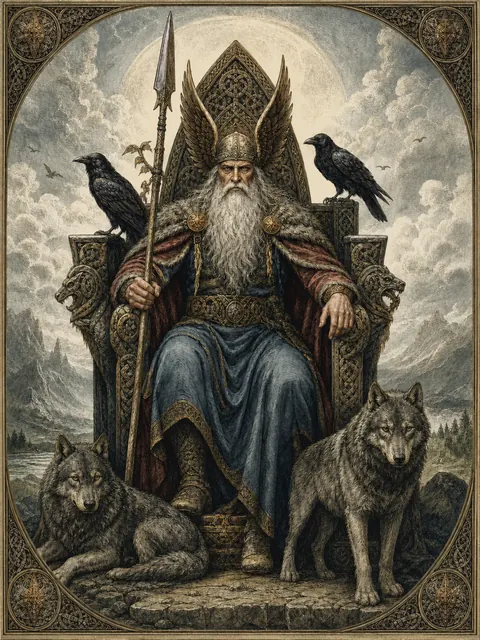
Beyond the rooms
- The catalogue: every god, A to Z, with how to say each name.
- The timeline: 546 dated witnesses, from the first writing to the modern recovery.
- Echoes: 40 gods the ancient sources themselves name as one across traditions.
- Themes: storm, sea, the dead, the hearth, and 35 more ways across the rooms.
- The sources behind every room, and the books.