The people from whom Rome learned much of its ritual. Known from painted tombs, engraved mirrors and a bronze liver used for divination; their own sacred books are lost.
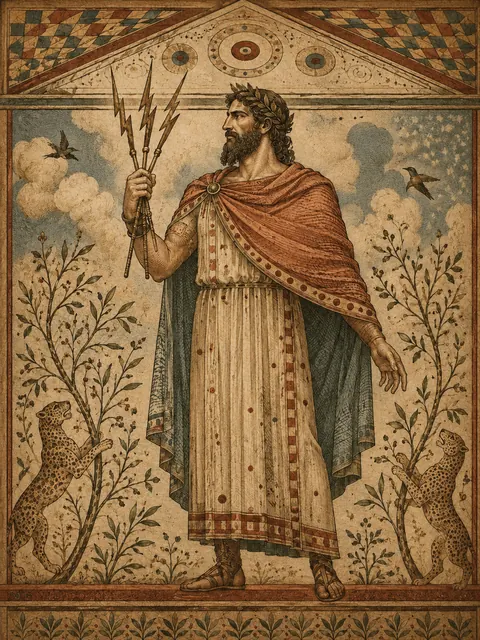
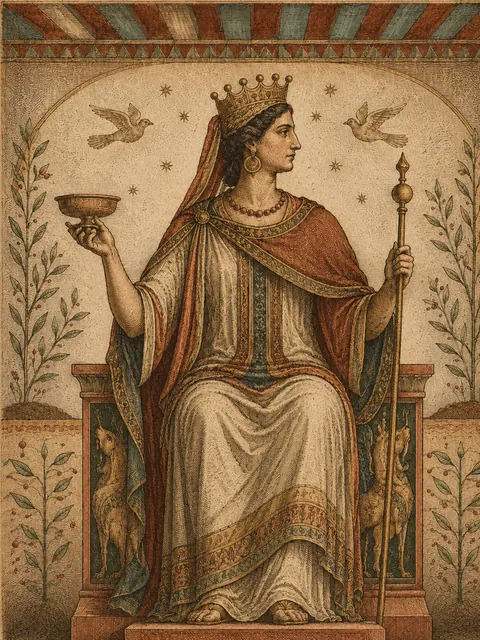
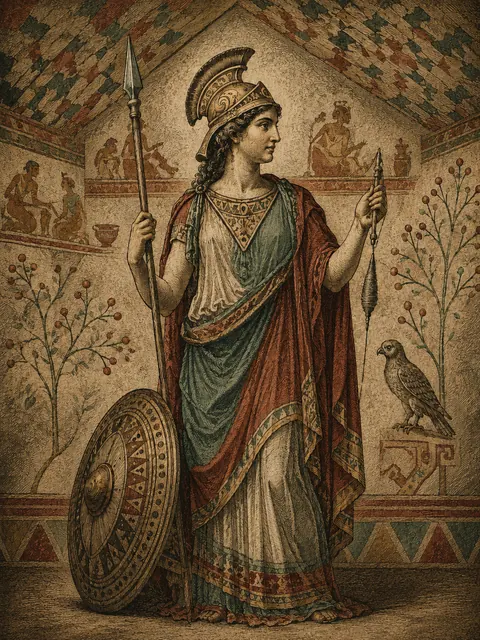
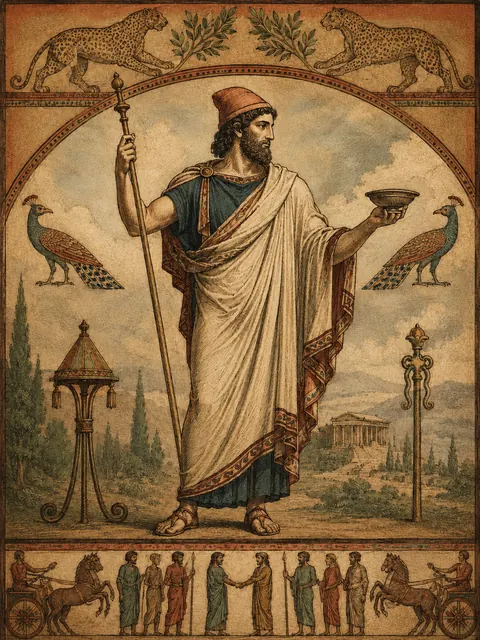
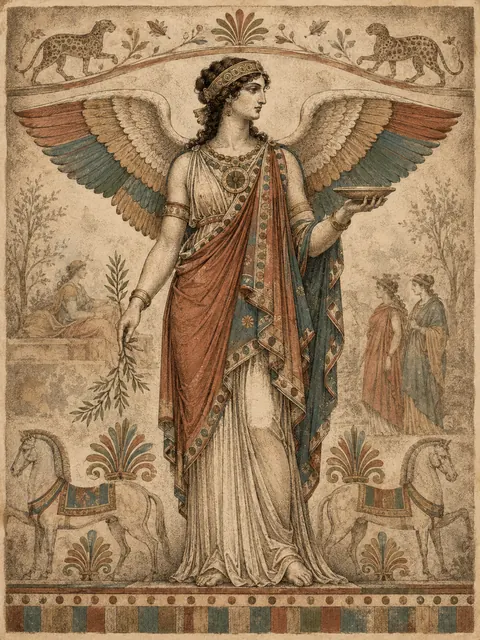
Tiniatee-nee-ahThe Etruscan Sky-King — wielder of three thunderboltsUniu-niThe Etruscan Queen of Heaven — consort of Tinia, identified with Phoenician AstarteMenrvamen-rvahThe Etruscan Wise Maiden — warrior, craftswoman, prophetessVoltumnavol-tum-naChief God of the Etruscan League — at whose sanctuary the Twelve Cities met
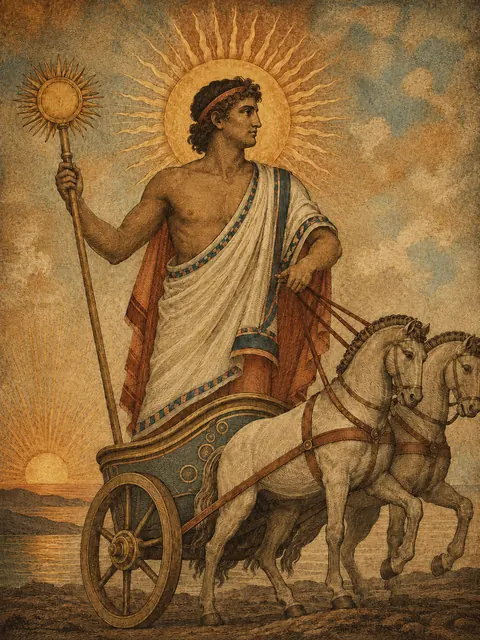
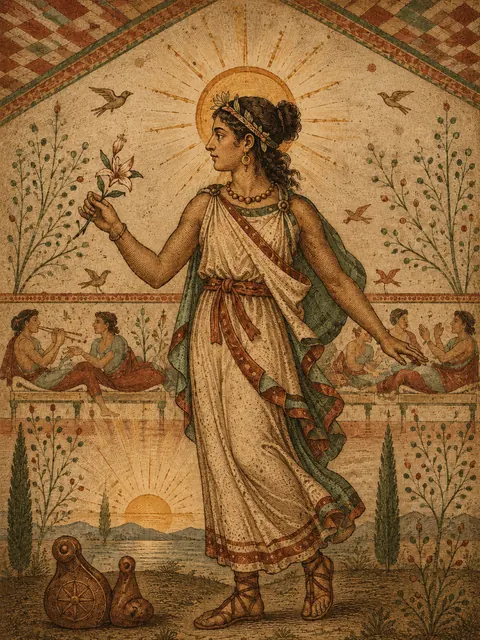
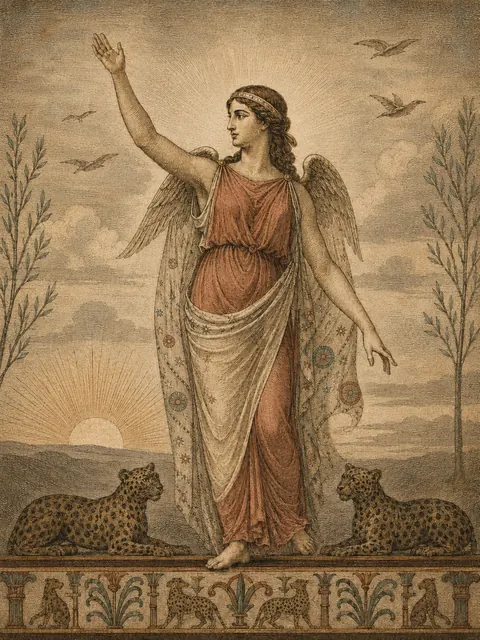
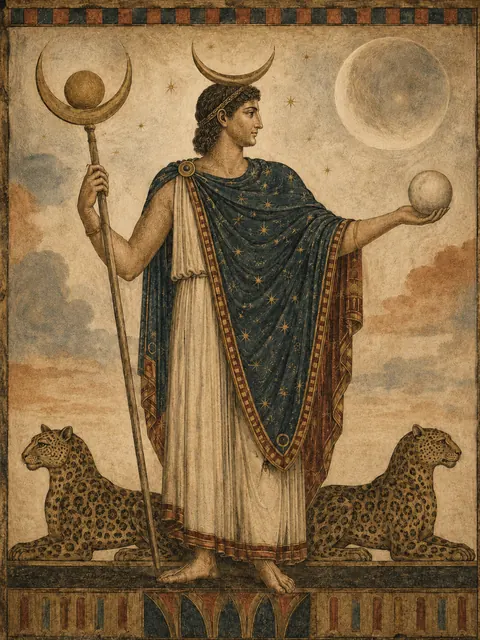
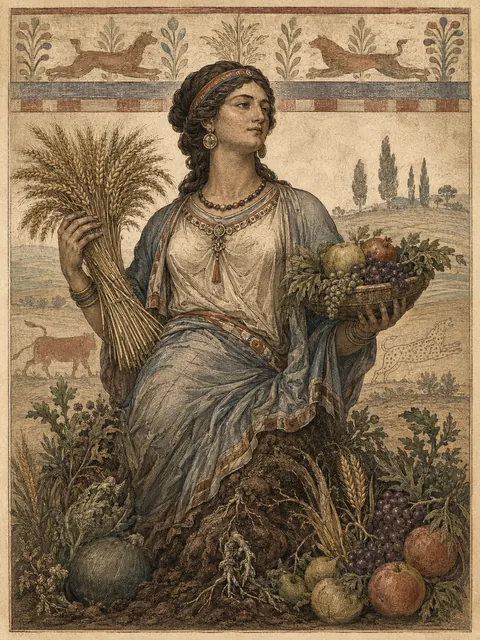
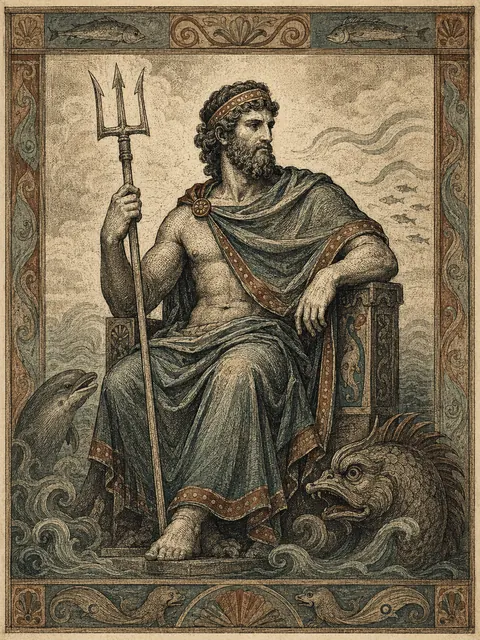
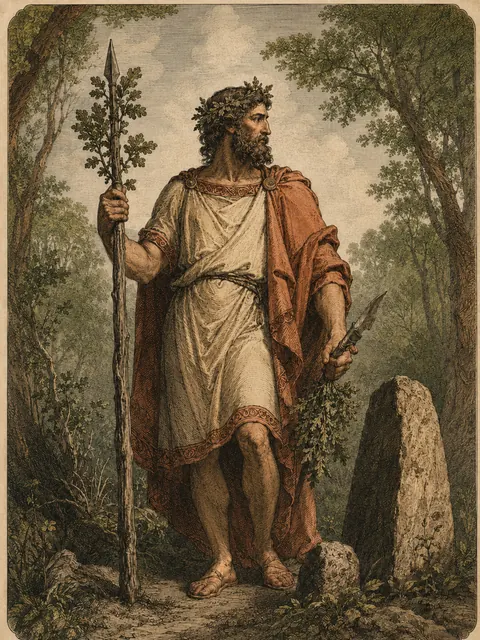
Usilu-silThe Etruscan Sun God — the masculine sun, kin of the Greek HeliosCathaca-thaSolar Daughter of the Sun — child-goddess of the dawn-lightThesanthe-sanGoddess of the Dawn — sister of the morningTiurtiurThe Etruscan Moon — companion of Usil and marker of the monthsCelcelThe Etruscan Earth-Mother — patroness of the soilNethunsne-thunsThe Etruscan Sea-God — wielder of the trident, lord of watersSelvanssel-vansGod of Boundaries and Forests — Roman Silvanus
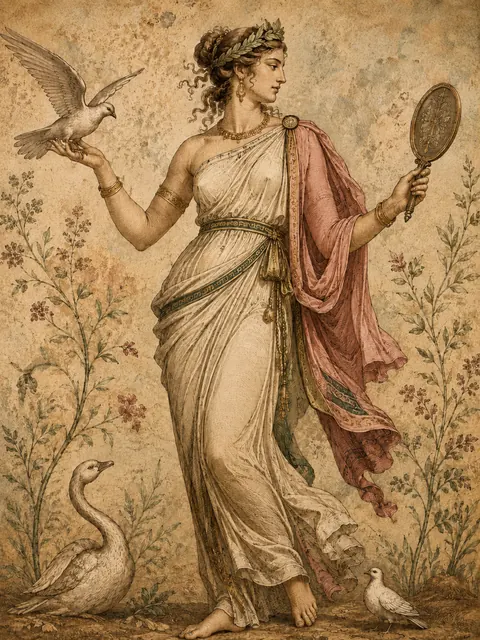
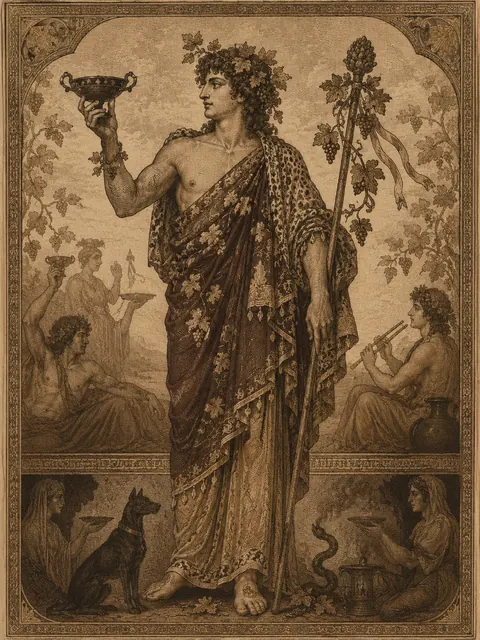
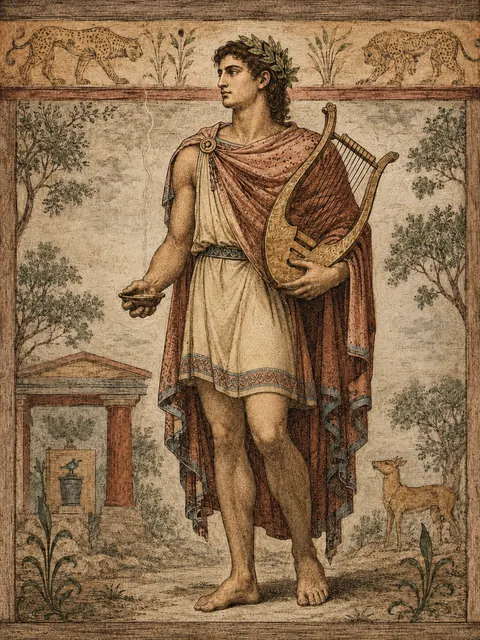
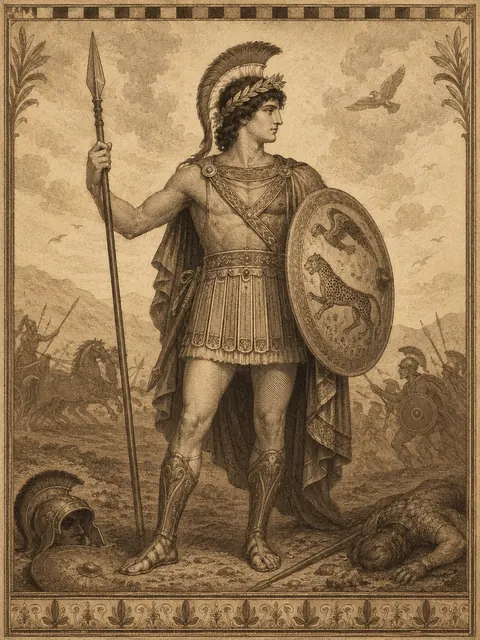
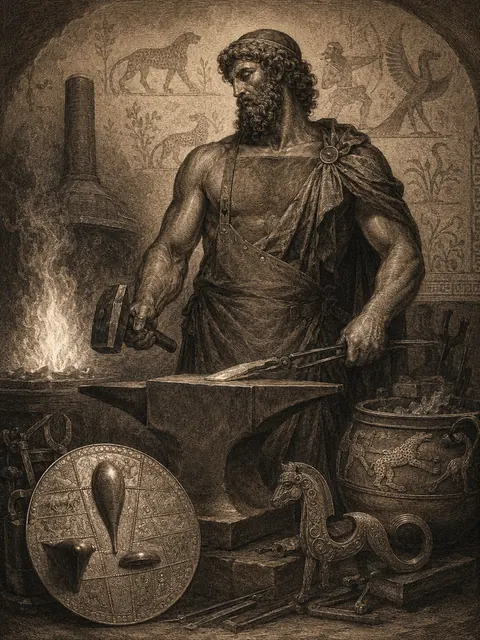
Turantu-ranThe Etruscan Goddess of Love — equivalent to Aphrodite, mistress of vital forceThe Lasathe la-saFemale Spirits — companions of TuranFuflunsfuf-lunsThe Etruscan Wine-God — equivalent to Dionysus, with chthonic associationsApluap-luThe Etruscan Apollo — god of prophecy and music, brought from the Greeks of CumaeLaranla-ranThe Etruscan War-God — youthful warrior of the battlefieldSethlansseth-lansThe Etruscan Smith — master of the forge, equivalent to Vulcan
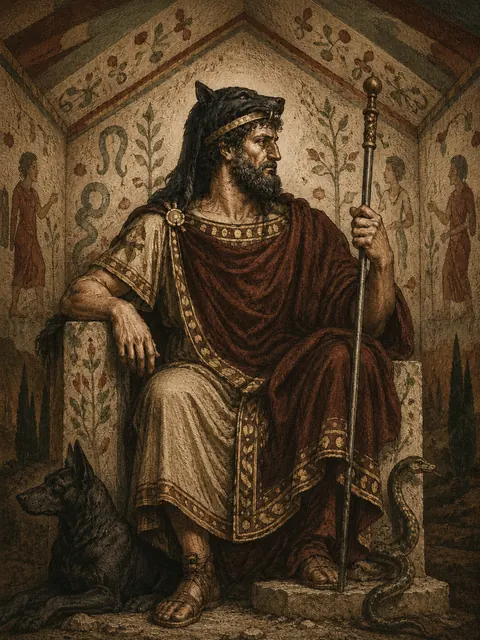
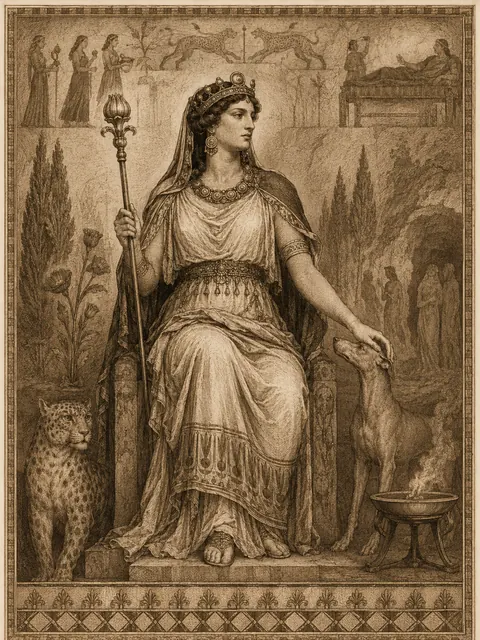
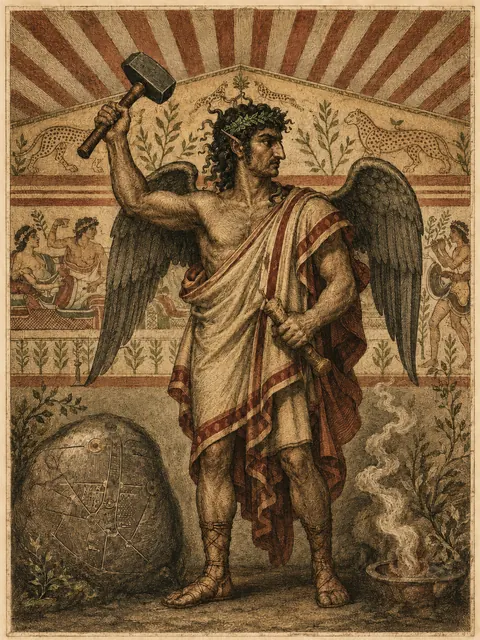
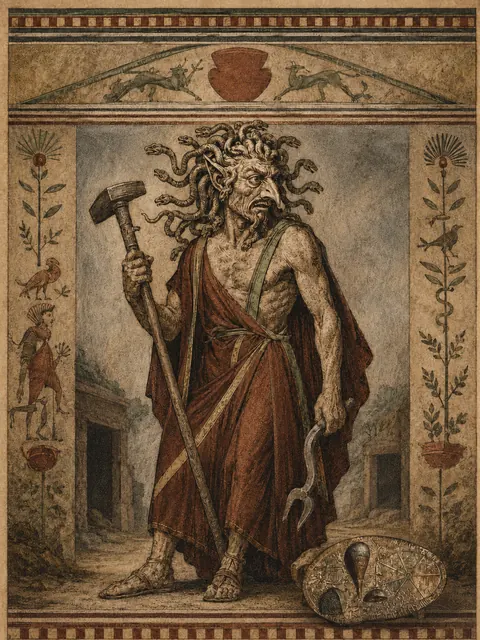
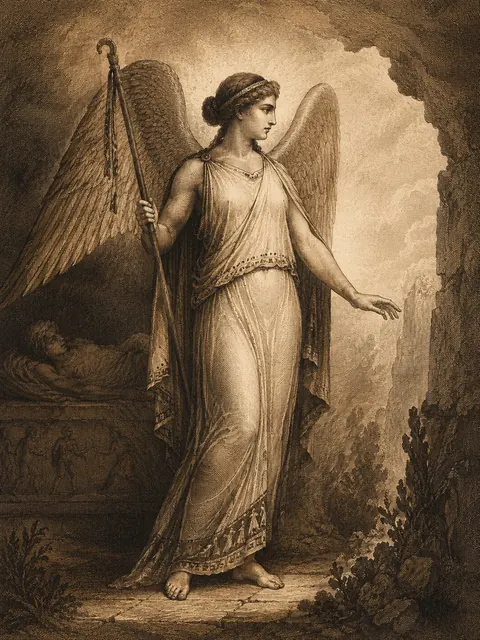
Aitaai-taThe Etruscan Lord of the Underworld — equivalent to Greek HadesPhersipnaipher-sip-naiThe Etruscan Queen of the Dead — borrowed from Greek PersephoneCharuncha-runHammer-Wielding Death-Demon — striker of the dyingTuchulchatu-chul-chaThe Etruscan Underworld Tormentor — snake-haired demon of the wicked deadVanthvanthThe Etruscan Death-Escort — winged female spirit of the moment of dying