A Compendium of the Ancient Gods

Themes

Wine and feasting

30 gods of wine and feasting, across eight rooms, in the order the rooms are walked.

The Cradle of Cities

5 works
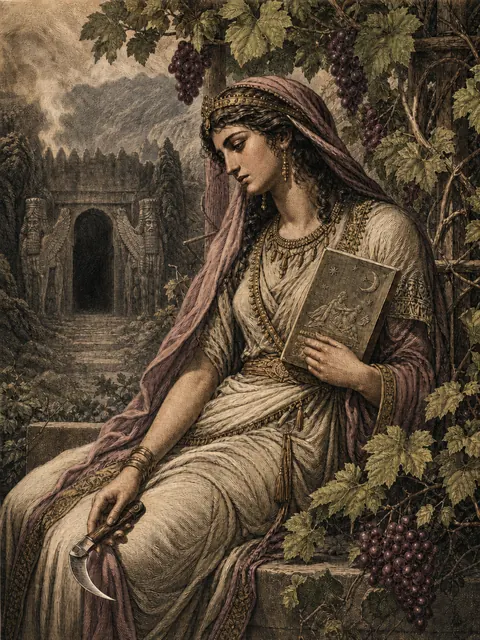
Geshtinanna, plate
Geshtinanna gesh-ti-nan-na Lady of the Vine — sister of Dumuzi
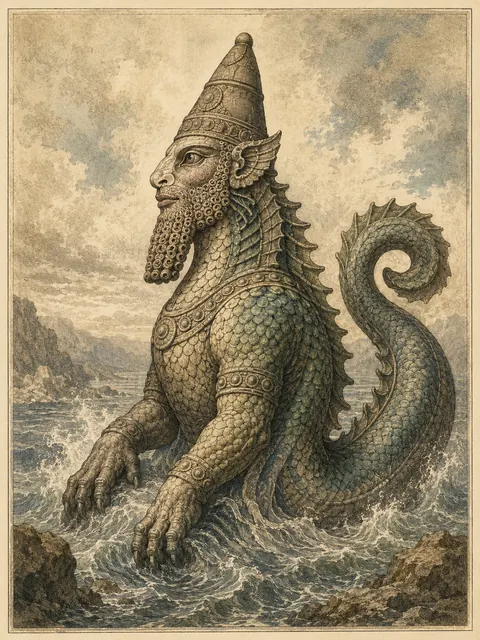
Hedammu, plate
Hedammu he-dam-mu The Sea-Monster — Earlier Champion of Kumarbi
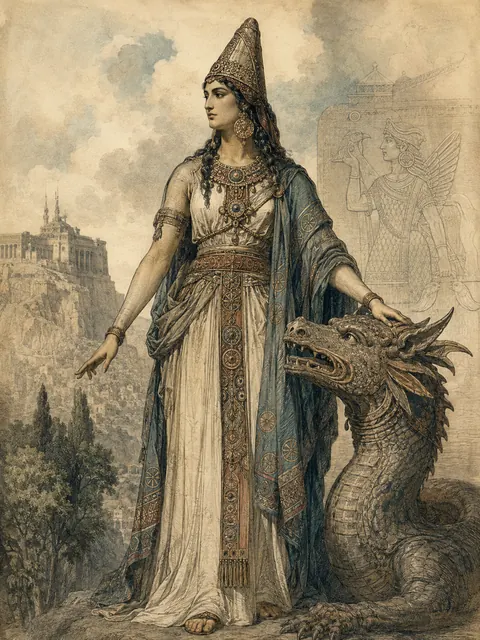
Inara, plate
Inara i-na-ra Daughter of Tarhunt — Lure of the Dragon Illuyanka
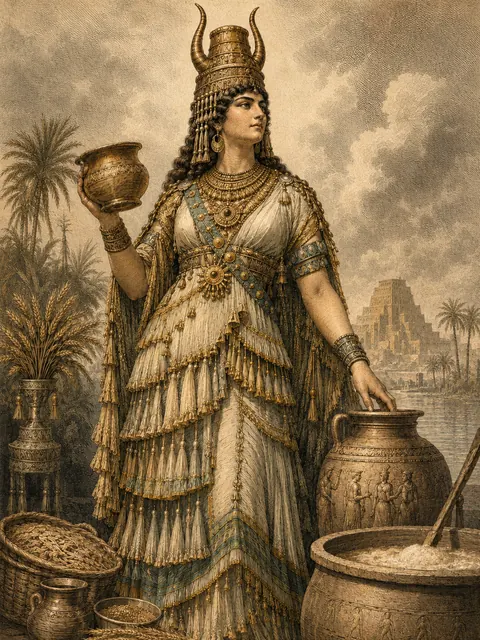
Ninkasi, plate
Ninkasi nin-ka-si The Lady Who Fills the Mouth — Goddess of Beer and Brewing
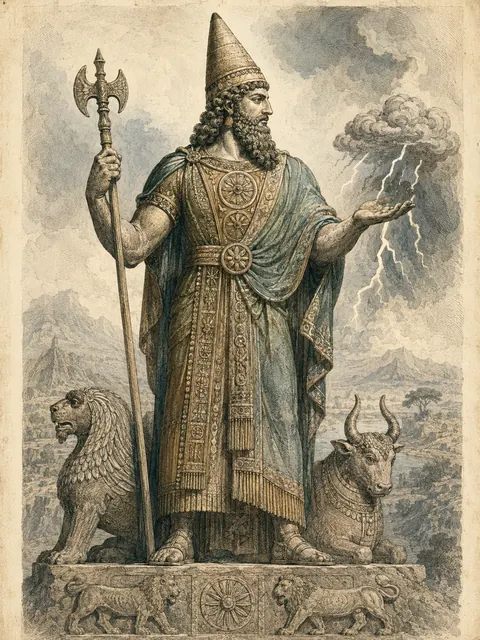
Tarhunza, plate
Tarhunza tar-hun-za The Luwian Storm-God

The Gift of the Nile

1 work

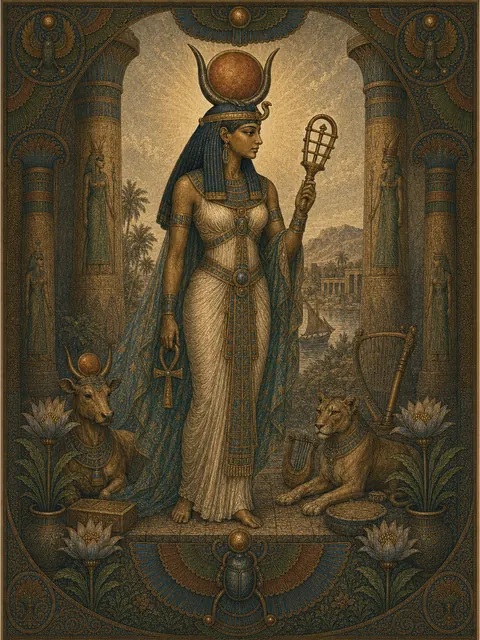
Hathor, plate
Hathor ha-thor Lady of Dendera — goddess of love, music, and the western mountain

The Olympian Order

7 works

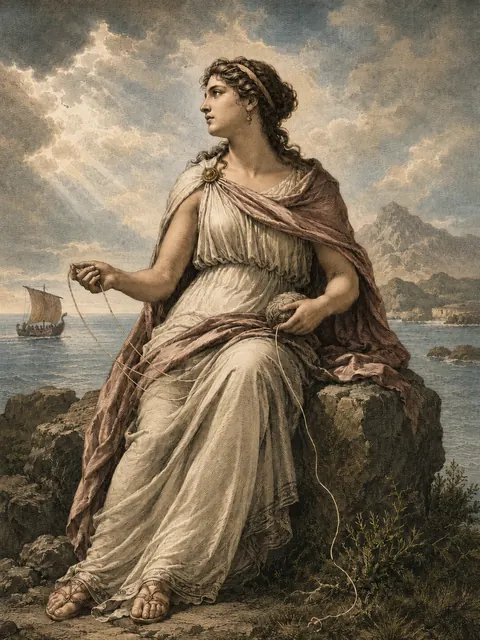
Ariadne, plate
Ariadne air-ee-ad-nee Cretan princess, who gave Theseus the thread — and was abandoned at Naxos
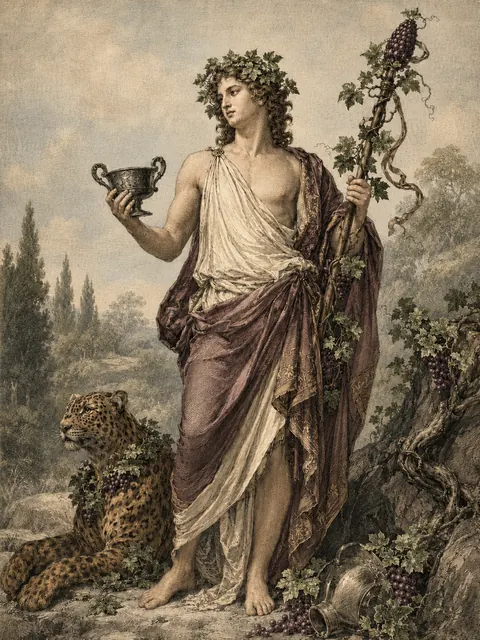
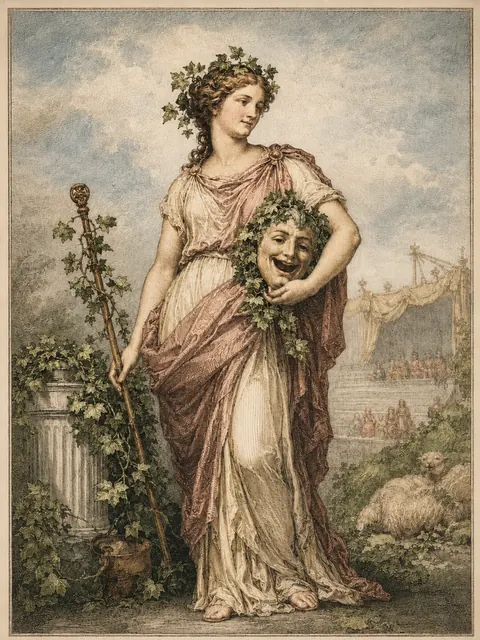
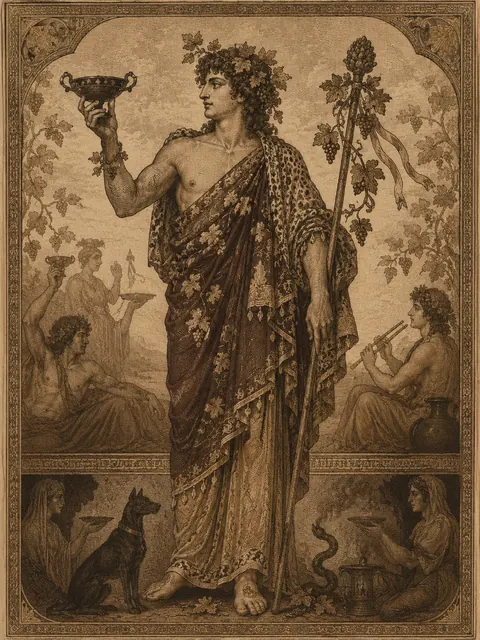
Dionysus, plate
Dionysus dye-oh-nye-sus The Twice-Born — god of wine and ecstasy
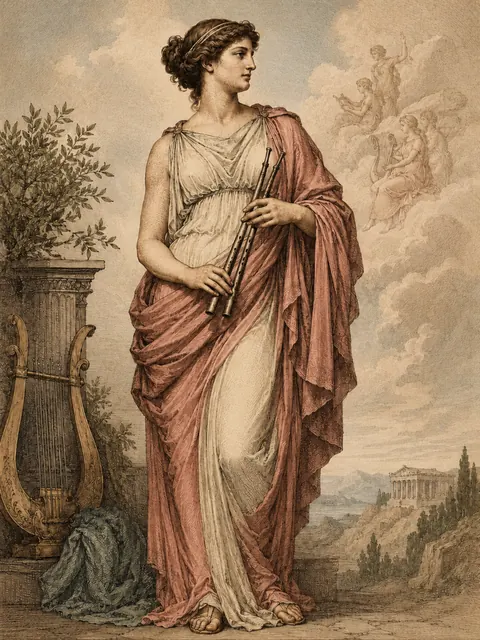
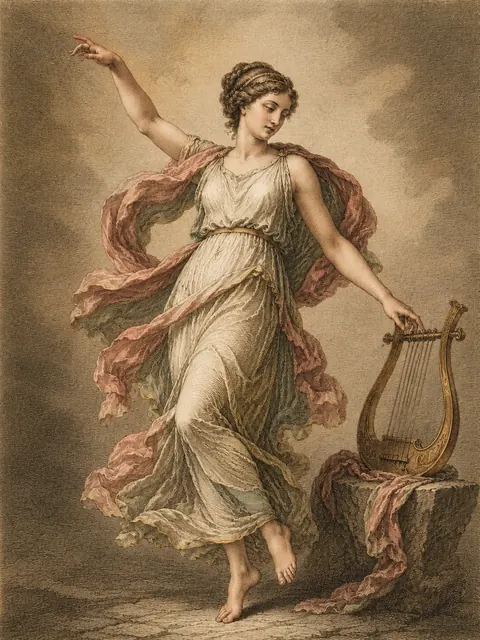
Euterpe, plate
Euterpe yoo-ter-pee Muse of Music and Lyric
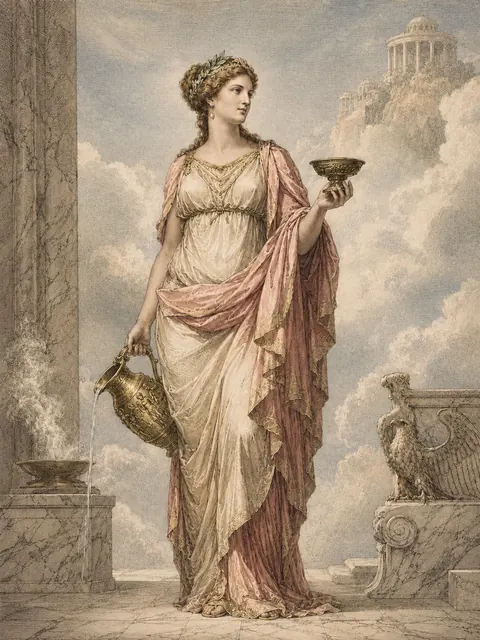
Hebe, plate
Hebe hee-bee Cupbearer of the Gods — wife of the deified Heracles
Terpsichore, plate
Terpsichore terp-sik-uh-ree Muse of Dance
Thalia (Muse), plate
Thalia (Muse) thay-lee-uh (muse) Muse of Comedy
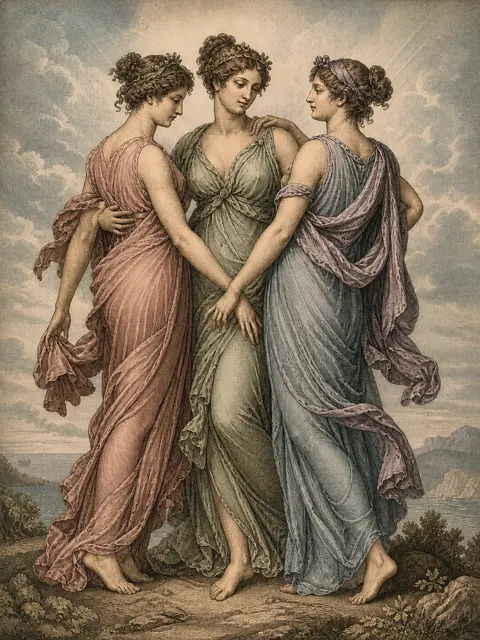
The Charites, plate
The Charites the kar-ih-teez The Graces — Aglaea, Euphrosyne, Thalia

The Persian World

1 work

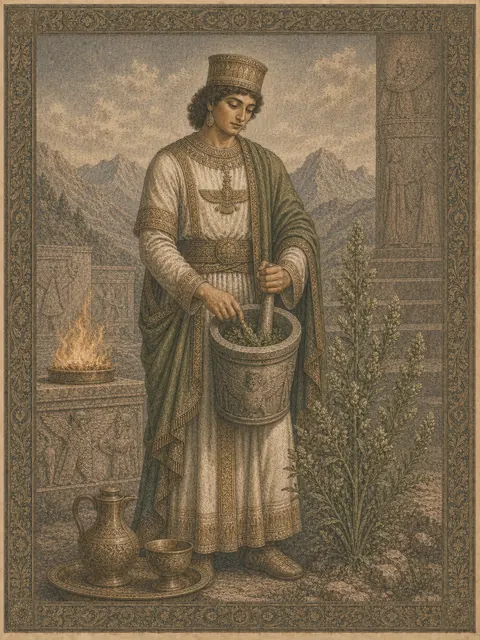
Haoma, plate
Haoma hao-ma The Sacred Plant — and the yazata of the priestly drink

The Edges of Empire

3 works

Kotys, plate
Kotys ko-tys The Thracian Goddess of Orgiastic Rites — patroness of mystery initiation
Kviria, plate
Kviria kvi-ria The Mediator-God — intermediary between Ghmerti and humankind
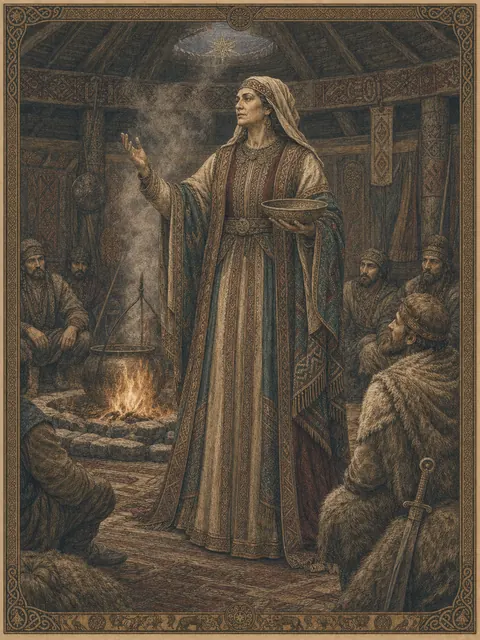
Satana, plate
Satana sa-ta-na The Mother of the Narts — wise counselor of the heroic clan

The Etruscan World

1 work

Fufluns, plate
Fufluns fuf-luns The Etruscan Wine-God — equivalent to Dionysus, with chthonic associations

The Roman Inheritance

5 works

Anna Perenna, plate
Anna Perenna an-na pe-ren-na The Goddess of the Year — whose festival opened the new year by the Tiber
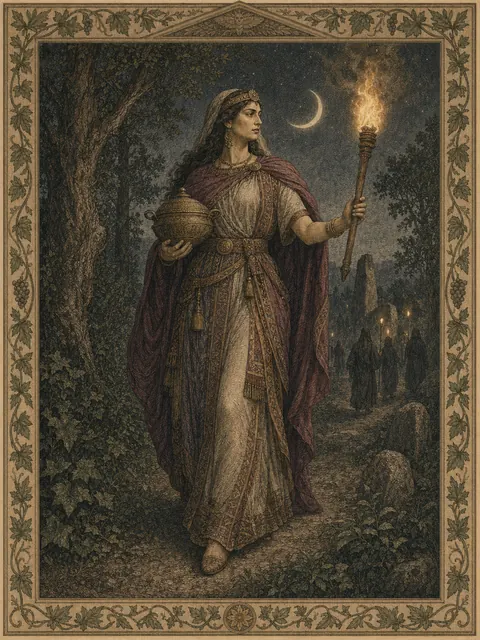
Bona Dea, plate
Bona Dea bo-na dea The Good Goddess — Women's Mystery
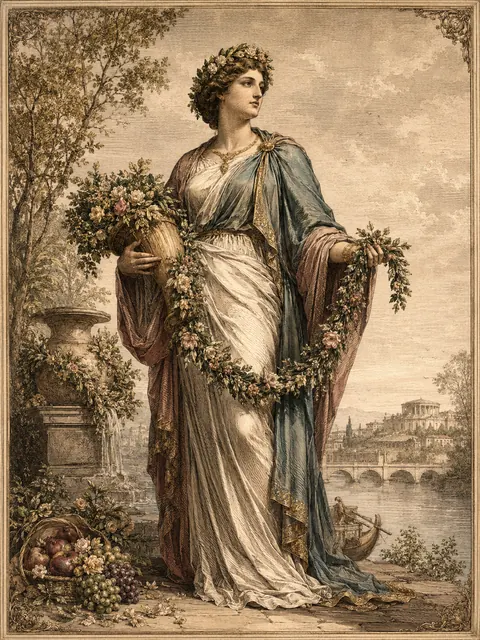
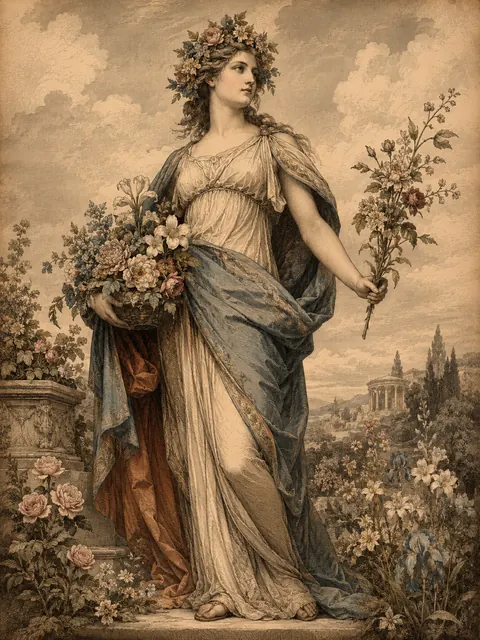
Flora, plate
Flora flo-ra Goddess of Flowering Plants
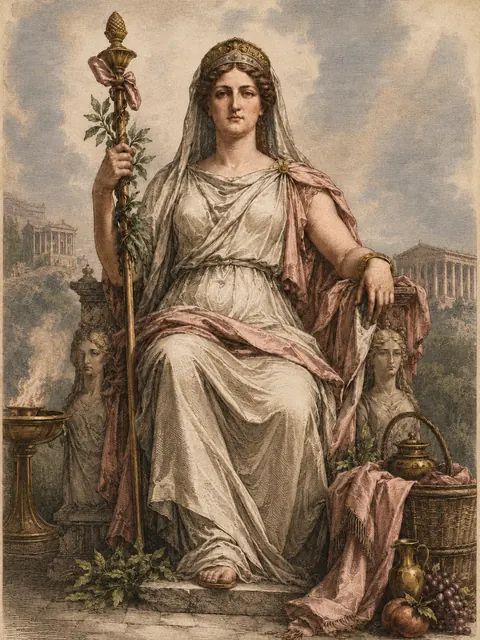
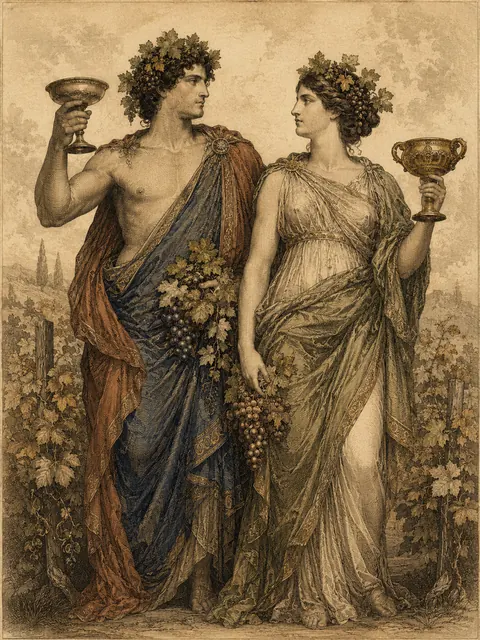
Liber and Libera, plate
Liber and Libera li-ber and li-be-ra Italic Wine-and-Vine Deities — Companions of Ceres
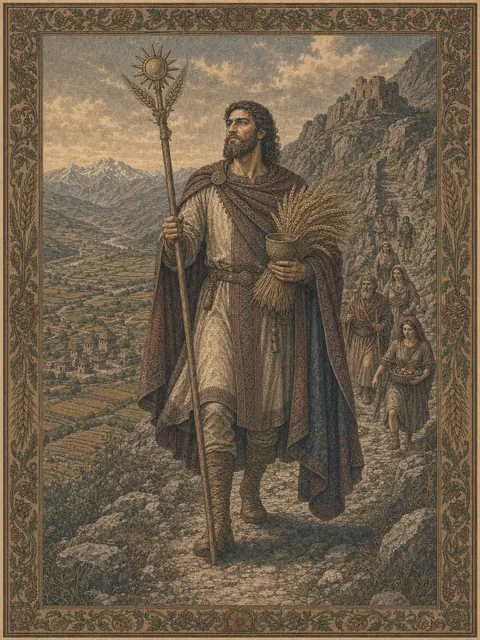
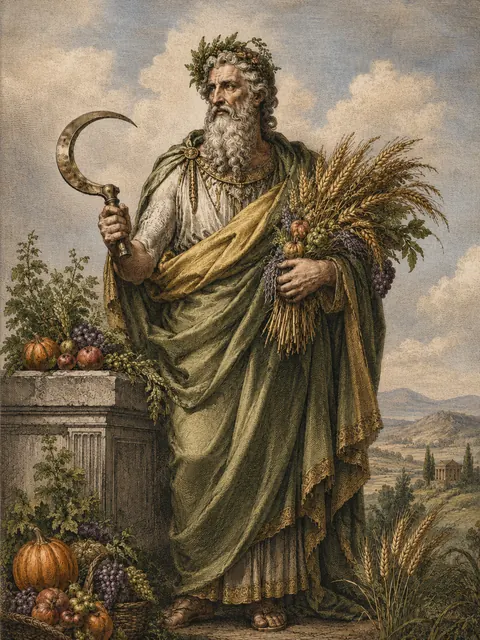
Saturn, plate
Saturn sa-turn Italic God of Sowing — King of the Golden Age

The Northern Inheritance

7 works
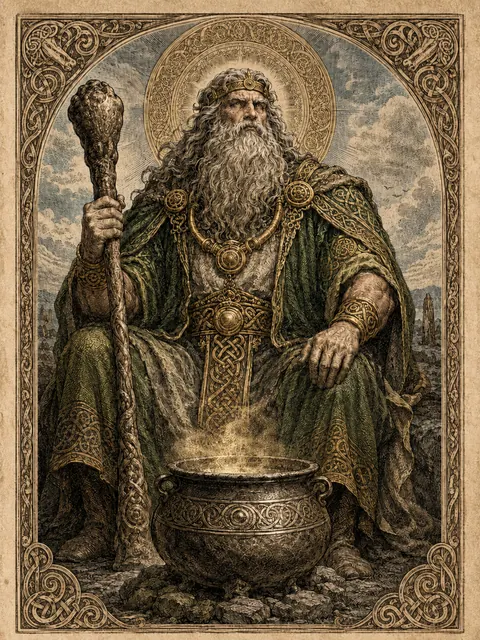
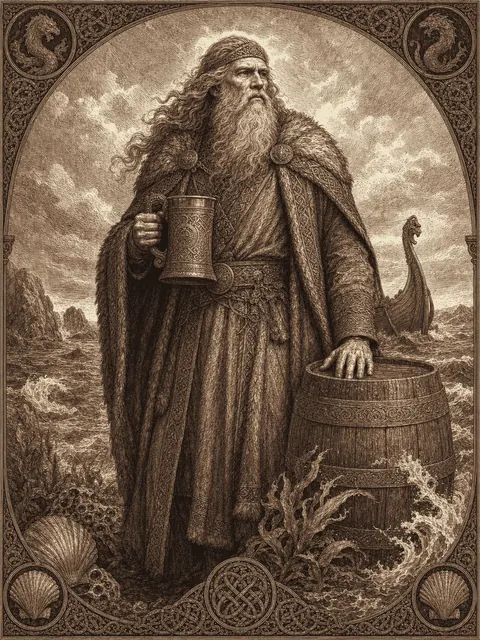
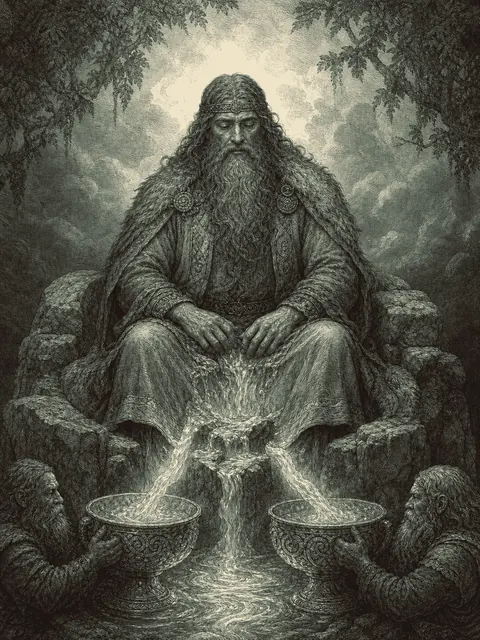
Aegir, plate
Aegir ae-gir Lord of the Sea — Brewer of Ale for the Gods
Dagda, plate
Dagda dag-da The Good God — Father of the Tuatha Dé
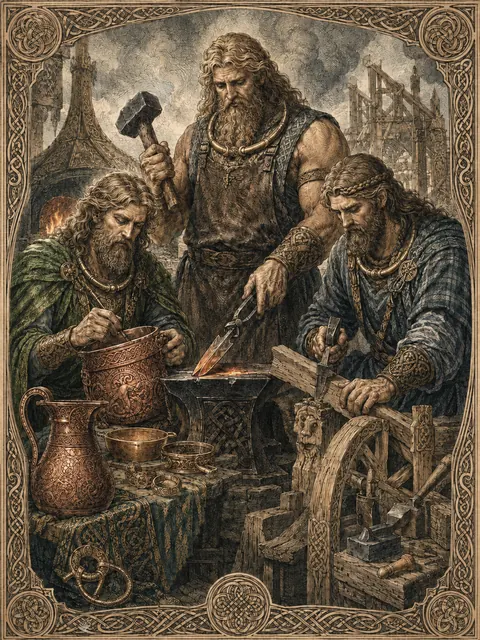
Goibniu, Credne, and Luchta, plate
Goibniu, Credne, and Luchta goib-niu, cred-ne, and luch-ta The Three Craftsmen of the Tuatha — smith, bronze-worker, and wright
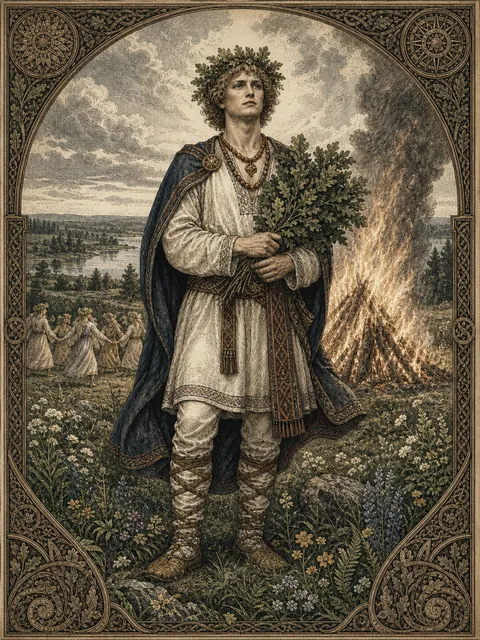
Jānis, plate
Jānis jā-nis The Latvian Midsummer Spirit — patron of the great solstice festival
Kvasir, plate
Kvasir kva-sir The Wisest of Men — whose blood made the Mead of Poetry
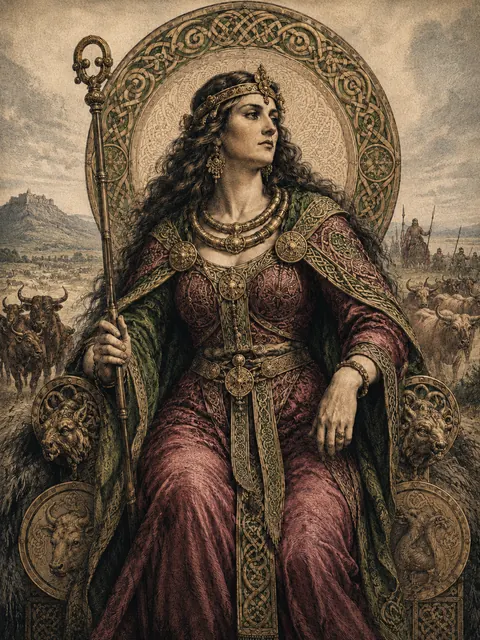
Medb, plate
Medb medb Queen of Connacht — instigator of the Cattle Raid of Cooley
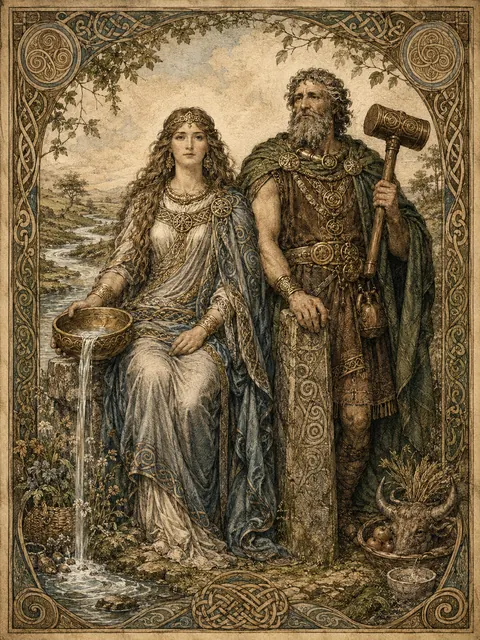
Nantosuelta and Sucellus, plate
Nantosuelta and Sucellus nan-to-suel-ta and su-cel-lus The Gallic Pair — the Goddess of the Winding Stream and the God of the Mallet

Floor plan

The rooms follow one another in the order their peoples first appear in the written record.

  1. The Cradle of Citiesc. 3400 BCE to 395 CE. 115 works
  2. The Gift of the Nilec. 4000 BCE to 395 CE. 73 works
  3. The Olympian Orderc. 1600 BCE to 750 CE. 152 works
  4. The Persian Worldc. 2000 BCE to 1010 CE. 30 works
  5. The Levantine Borderlandsc. 1200 BCE to 500 CE. 20 works
  6. The Edges of Empirec. 2000 BCE to 1500 CE. 33 works
  7. The Etruscan Worldc. 900 BCE to 750 CE. 22 works
  8. The Roman Inheritancec. 1200 BCE to 500 CE. 58 works
  9. The Northern Inheritancec. 2000 BCE to 1600 CE. 131 works