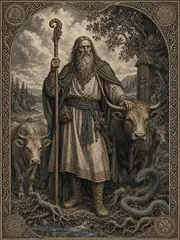
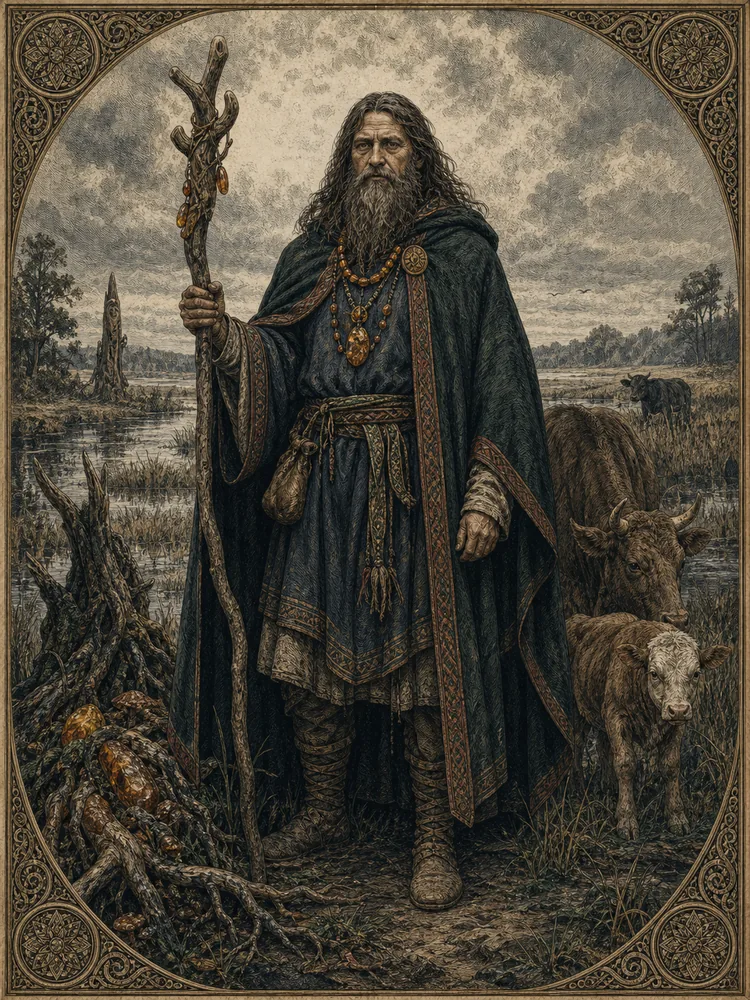
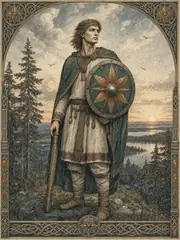
Velnias (Lithuanian; Latvian Velns) was a chthonic-and-underworld figure of Baltic religion, etymologically connected to the Slavic Veles (treated above) and to the Old Norse Valhöll-related vocabulary of the dead. In the pre-Christian Baltic religion he appears to have been a god of the dead, of cattle, of agricultural fertility through his connection to the earth — paralleling the Slavic Veles in function as well as name. With the Christianization of the Balts, his name was identified with the Christian devil (modern Lithuanian Velnias and Latvian Velns are the standard words for the devil), and the older theological character was largely lost; what survives in folk-tradition is the Christian-influenced "old devil" figure, often comic, who tries to outwit peasants and is outwitted by them, who is associated with marsh and forest and dark places.
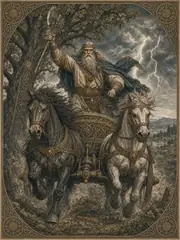
The folkloric Velnias retains some of the older deity's traits — his cattle-association, his role in the seasonal cycle, his opposition to Perkūnas the thunder-god (Perkūnas in folk-tradition is constantly hurling thunder at Velnias, who hides in oak-trees, in stones, in cats, anywhere he can — the storm-narrative being a literal pursuit of the chthonic adversary by the celestial thunderer). The reconstruction of Velnias as a once-major god, displaced by Christianization to the role of comic devil, is well supported by the linguistic and folkloric evidence.