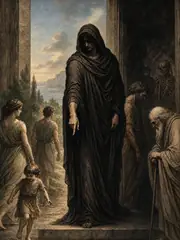
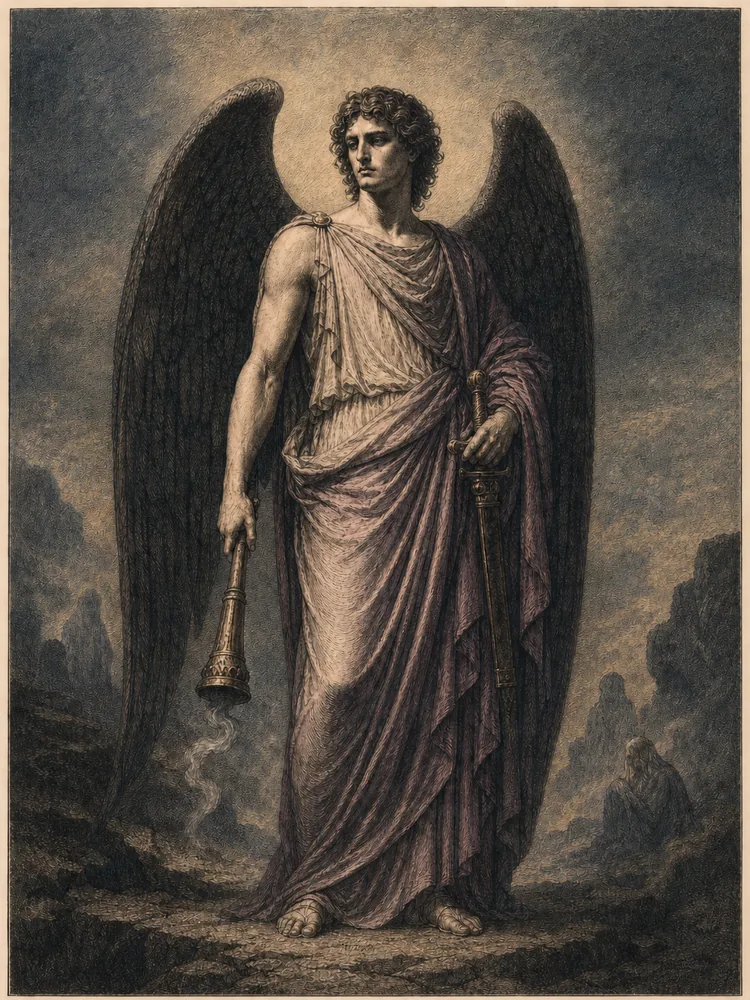
Thanatos was Death — the daimon of mortal ending, twin brother of Hypnos, son of Nyx. He was implacable; he was honored by no one; and he was less personified in extended narrative than his brother. The most famous Thanatos-narrative is the story of Sisyphus, the cunning king of Corinth who, when Thanatos came for him, tricked the death-daimon into trying out his own chains and then bound him with them, so that no one in the world could die until at length Ares (annoyed that his battles produced no proper deaths) freed Thanatos and brought him back to take Sisyphus down. Sisyphus, by further trickery, escaped from the underworld a second time before being permanently confined; his celebrated punishment thereafter — pushing his stone up a hill, watching it roll back down, pushing it up again, forever — was the gods' answer to his evasions. The story is the source of Albert Camus's twentieth-century essay The Myth of Sisyphus and of much subsequent existentialist reflection.
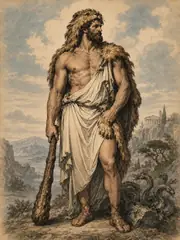
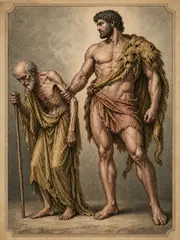
A second famous narrative involving Thanatos is the tale of Alcestis, in Euripides's tragedy of that name. King Admetus of Pherae, having been granted by the Fates (through Apollo's intercession) the privilege of avoiding death if another would die in his place, found that no one — not his aged parents, not his servants, not his friends — would consent. Only his young wife Alcestis offered to die for him. The exchange was made; Thanatos came to claim her; but Heracles, passing through and learning of the situation, wrestled Thanatos at the tomb and forced him to relinquish Alcestis, restoring her to her husband. The story is one of the few in which Death is physically defeated by a hero, and Euripides's treatment of it (a curious tragicomedy) is among the more unusual products of fifth-century drama.