18 gods of plague and disease, across six rooms, in the order the rooms are walked.
The Cradle of Cities
10 works
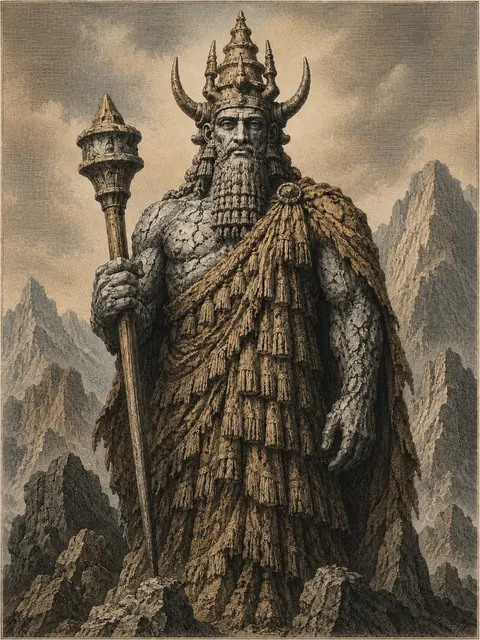
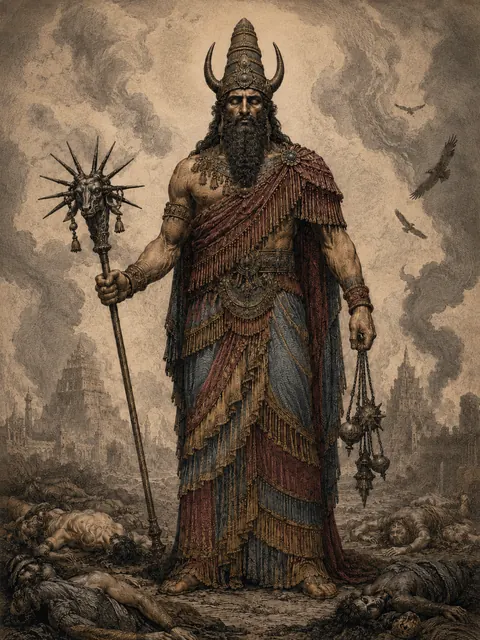
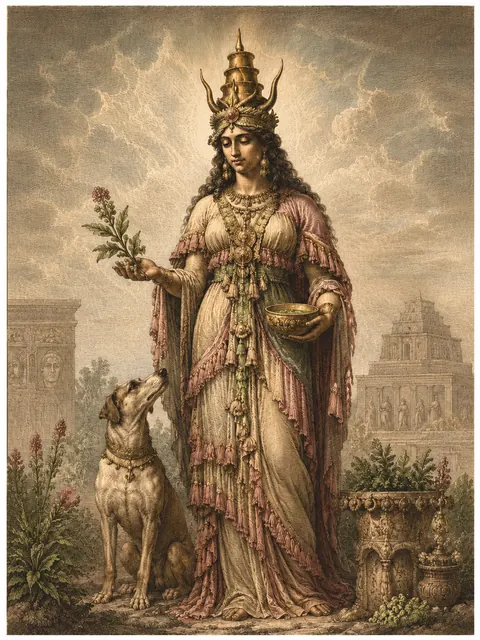
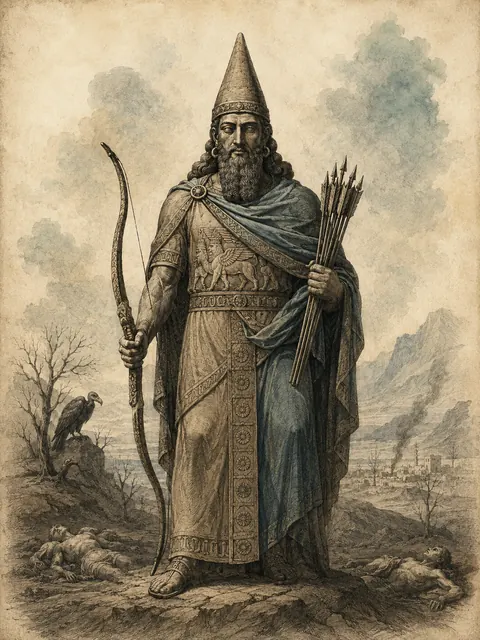
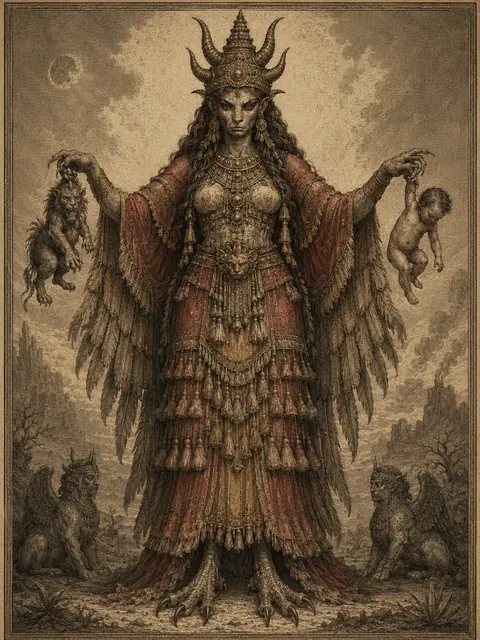
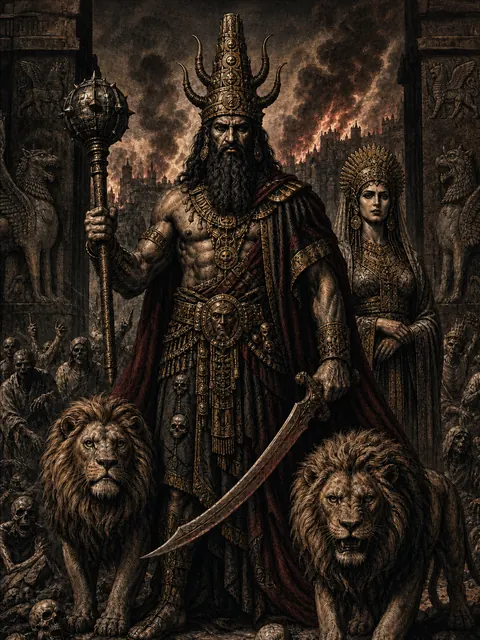
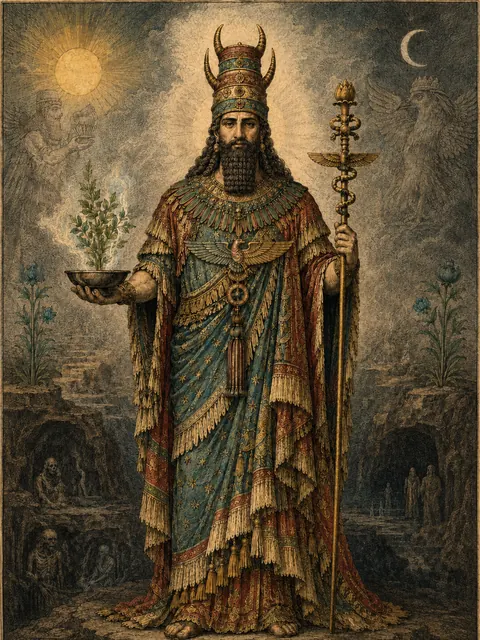
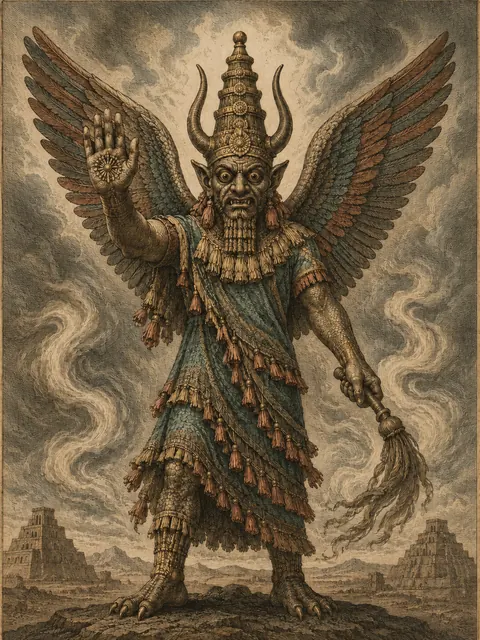
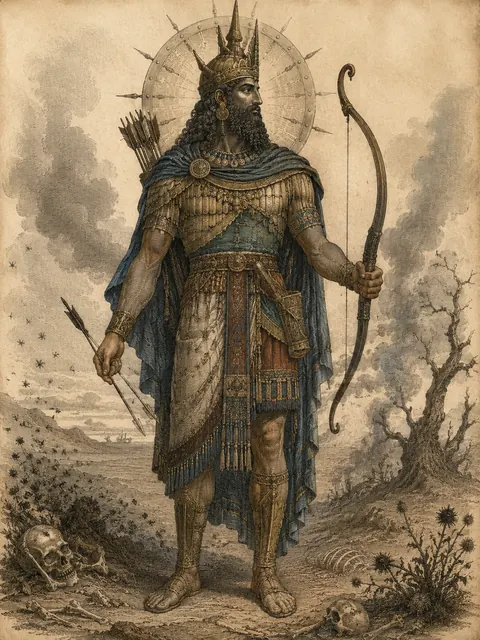
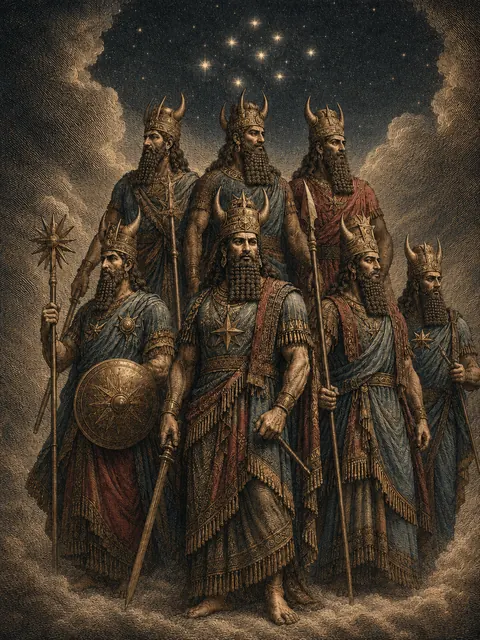
Asaga-sagThe Stone Demon of the Mountains — Adversary of NinurtaErraer-raThe Bringer of Plague — God of Indiscriminate ViolenceGulagu-laThe Great Lady — goddess of healingIyarriiyar-riThe Plague-God — Whose Arrows Carry DiseaseLamashtula-mash-tuThe Devourer — demoness of childbirthNergalner-galThe Burning One — god of war, plague, and the underworldNinazuni-na-zuLord of Healing and the Underworld — son of EreshkigalPazuzupa-zu-zuKing of the Wind Demons — apotropaic against LamashtuReshephre-shephThe Plague-Bringer — archer of diseaseThe Sebittithe se-bit-tiThe Seven Warriors — Constellation of the Pleiades
The Gift of the Nile
1 work
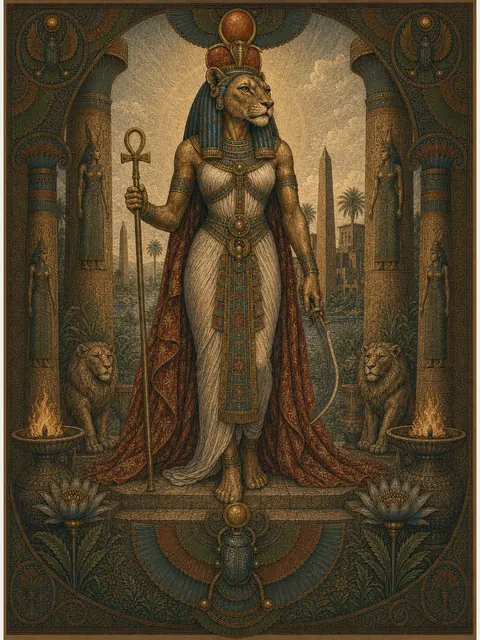
Sekhmetsek-metThe Lioness — Lady of Plague and War
The Olympian Order
1 work
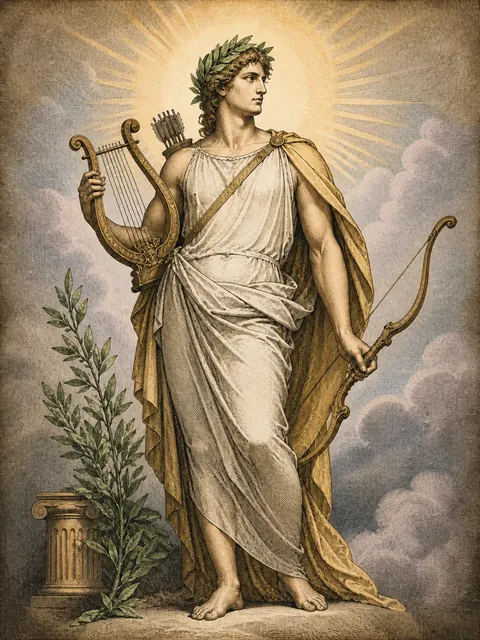
Apollouh-pol-ohThe Far-Shooter — god of music, prophecy, and plague
The Persian World
2 works
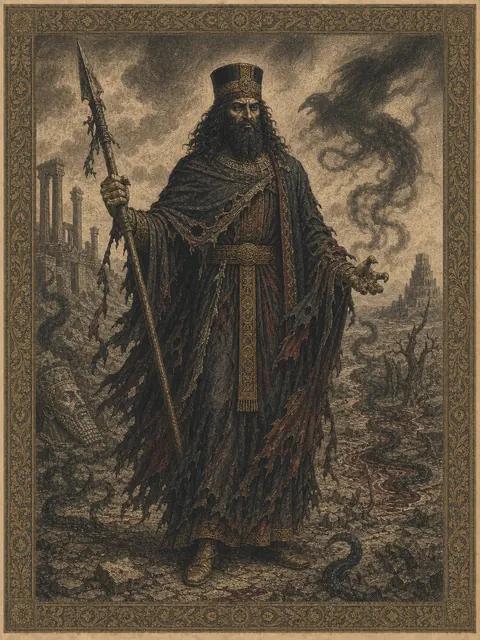
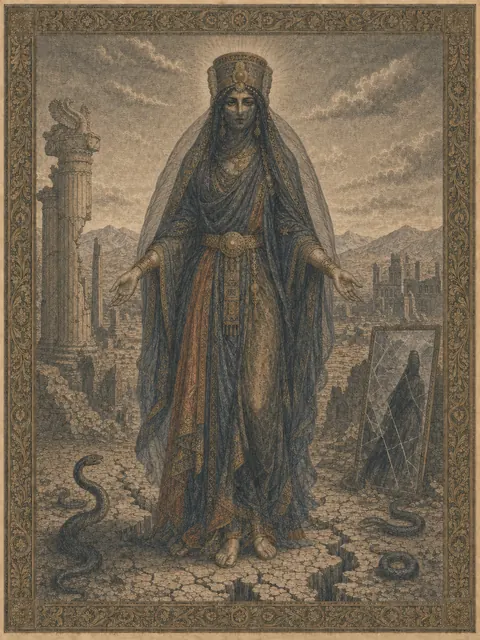
Angra Mainyuang-rah myn-yooThe Hostile Spirit — Ahriman in the later tradition; cosmic adversary of Ahura MazdaDrujdrujThe Lie — cosmic principle of falsehood and disorder
The Roman Inheritance
2 works
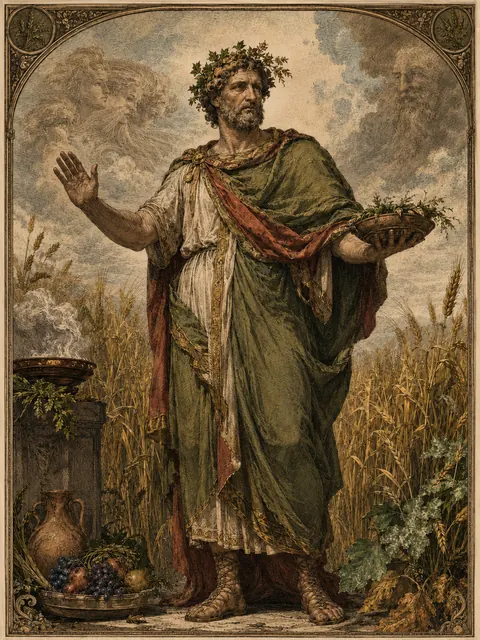
Awaiting its plateLua Saturnilua sa-tur-niLua of Saturn — to whom the captured arms of enemies were burntRobigusro-bi-gusThe God of Mildew, propitiated to spare the standing grain
The Northern Inheritance
2 works
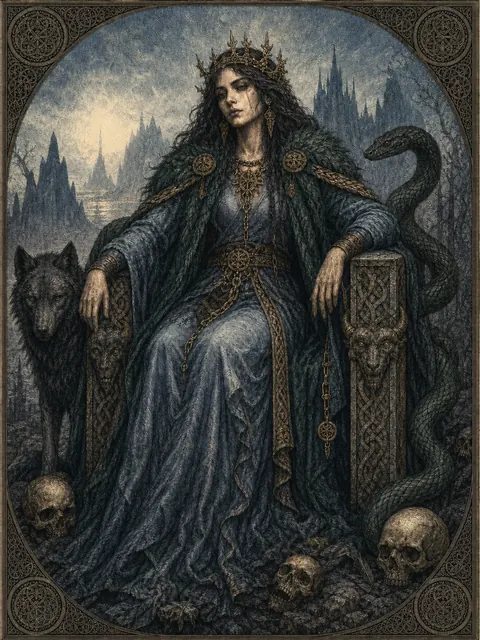
HelhelQueen of the Underworld — Daughter of LokiAwaiting its plateTuoni and Tuonetartuo-ni and tuo-ne-tarKing and Queen of the Finnish Underworld